Wynch Bridge, Low Force, Teesdale
Just a short walk from Bowlees Visitor Centre, Wynch Bridge is a historic suspension footbridge crossing the River Tees at Low Force in Teesdale, one of the most popular and photographed spots in Upper Teesdale. Set within a wooded gorge and surrounded by the sound of flowing water, it is both a striking landmark and a place people return to again and again.
I have crossed this bridge more times than I can count, sometimes as part of a longer walk, sometimes just to stand and take in the view. There is something about it that always makes you slow down, whether it is the movement beneath your feet or the sound of the river below.
This guide covers everything you need to know before visiting Wynch Bridge, including how to get there, what to expect, and the history behind one of Teesdale’s most unique landmarks.
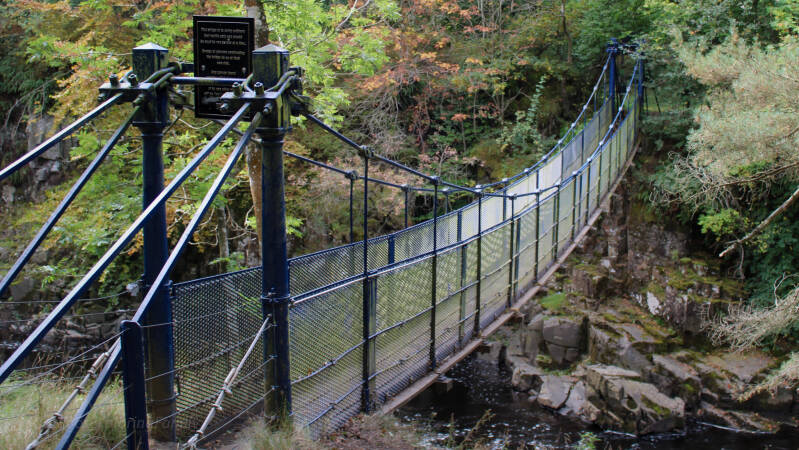
A historic suspension bridge above the River Tees at Low Force
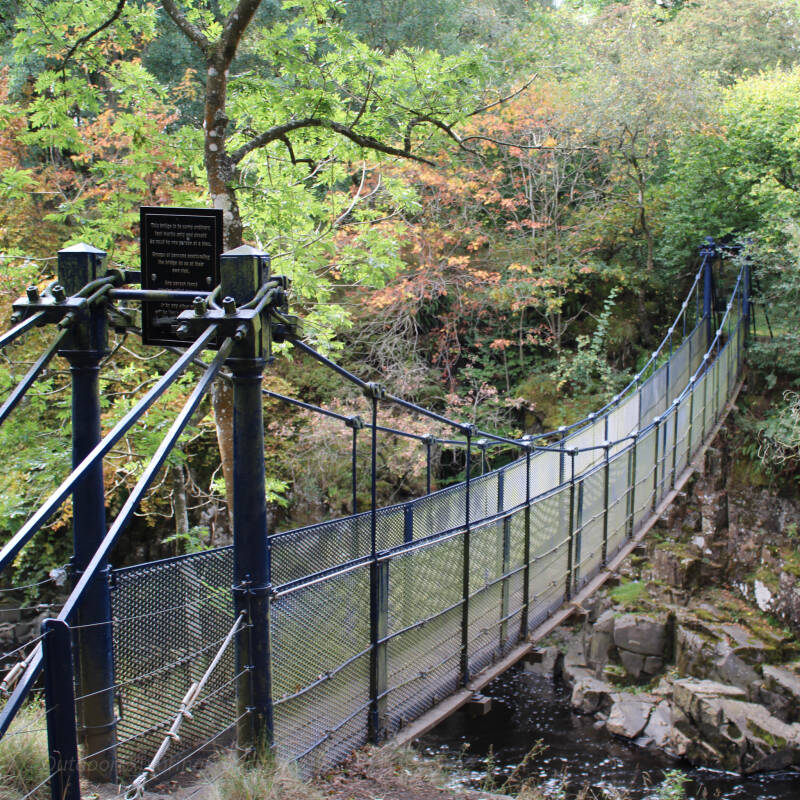
Wynch Bridge is a Grade II listed suspension footbridge spanning the River Tees just downstream from Low Force. Narrow, simple, and full of character, it stands above a rocky gorge where the river moves quickly through the landscape, especially after rain.
Although it is now a popular crossing for walkers, its origins are far more practical.
The first bridge is traditionally believed to have been built around 1741 for local lead miners, allowing them to cross the River Tees more easily between the two sides of the dale without a long and difficult detour.
That early structure was basic and exposed, just two feet wide with a single handrail, and suspended on hand forged chains.
Over time, the bridge became known not only for its usefulness but also for its danger. The Great Flood of 1771 caused serious damage. Later, one of the bridge's supporting chains snapped during a crossing, causing a fatal collapse. Historical sources differ over whether this happened in 1802 or 1820, but all agree that the disaster led to the bridge eventually being replaced. The present bridge was built in the early nineteenth century with the support of the Duke of Cleveland. Historic England dates it to around 1820, while many local histories give 1830. Built using stronger materials and a more stable design, it is this bridge that still stands today, slightly repositioned and anchored more securely into the rock.
Even now, the bridge retains its distinctive character. It moves gently as people cross, something that has always been part of its design, and part of what makes it so memorable.
How to get to Wynch Bridge
The easiest access is from Bowlees Visitor Centre, which is just a short distance away.
From the car park, walk past the visitor centre building towards the road and carefully cross the B6277. Directly opposite, a gate leads into a field with a clear, well used path. Follow this path straight across the field to another gate, then continue into the woodland beyond.
From here, the path leads gently downhill towards the river. Within around ten minutes from the car park, the sound of the water becomes more noticeable and the bridge appears ahead, crossing the gorge just downstream from Low Force.
It is a short and straightforward walk, but one that always feels like an introduction to the wider landscape of Upper Teesdale.
Parking, facilities and access
Bowlees Visitor Centre provides parking, toilets and a café, making it the best starting point for visiting Wynch Bridge and Low Force. Blue badge parking is available close to the front of the building.
The route to the bridge is generally accessible and suitable for most people, with a well maintained path and gradual gradients. There are some slightly rougher patches and a gentle downhill section as you approach the river, but nothing too demanding in normal conditions.
Tramper all terrain mobility vehicles are available to hire from the visitor centre, helping more people access this part of the landscape.
What it feels like to cross Wynch Bridge
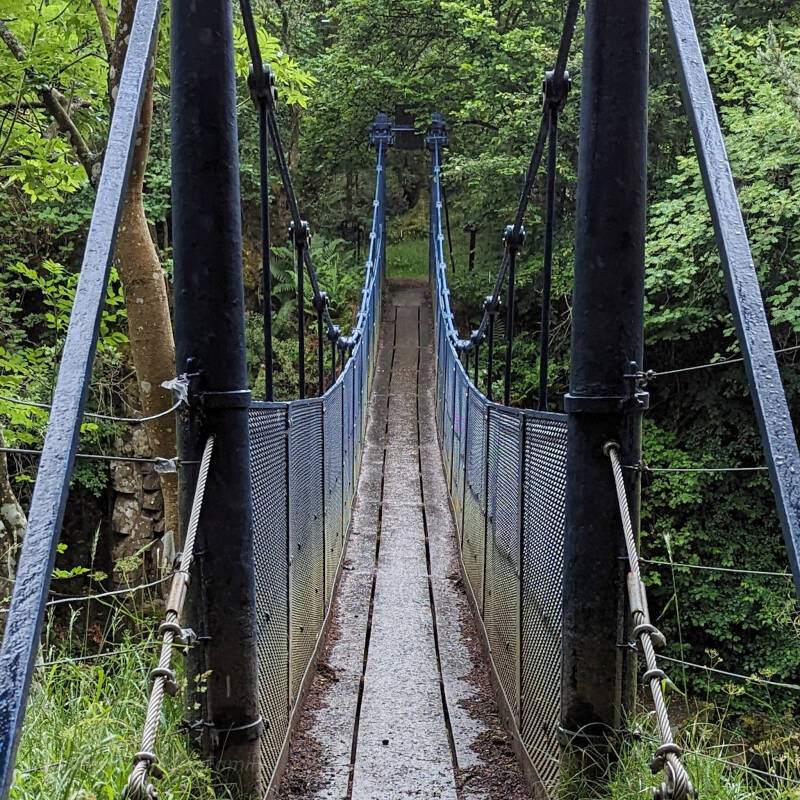
As you step onto the timber deck, you can feel the structure respond. There is a gentle movement beneath your feet, something that becomes more noticeable as you make your way across. Because of its narrow design, the bridge is best crossed one person at a time, which adds to the feeling of being suspended above the river rather than simply walking across it.
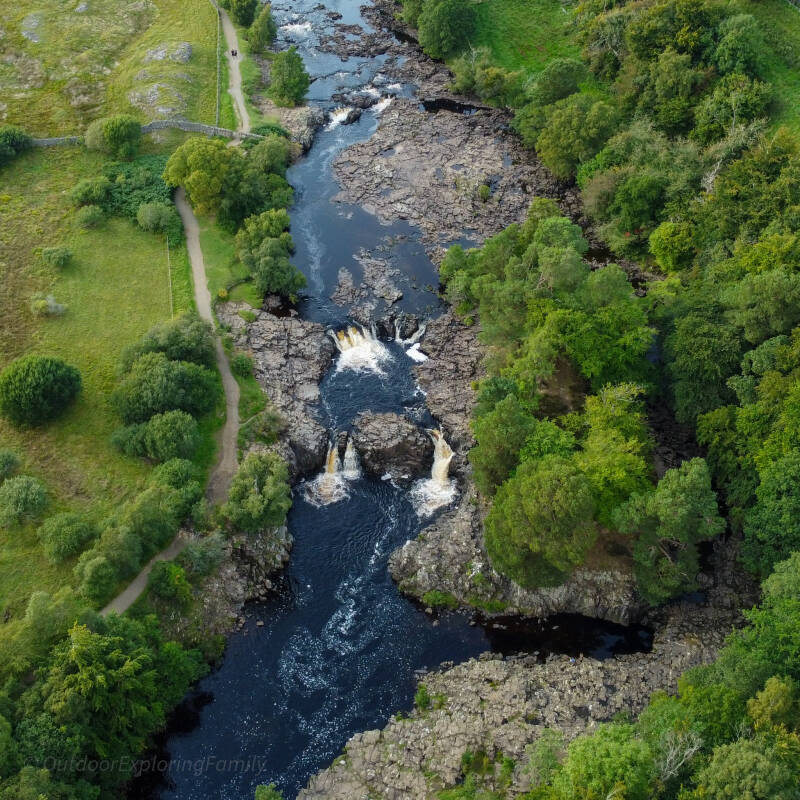
Below, the River Tees moves through the rocky gorge, its sound echoing against the stone. Upstream, glimpses of Low Force can often be seen, especially when the water is flowing strongly.
The bridge naturally slows you down. People tend to pause, look around, and take in the view rather than rushing across.
A place shaped by water and history
Wynch Bridge sits in one of the most geologically and historically rich parts of Teesdale.
The River Tees has carved its way through layers of rock here, creating the stepped cascades of Low Force and the deeper gorge that the bridge crosses. This landscape has drawn people for centuries, from miners and workers to modern day walkers and photographers.
The bridge itself reflects that history. Built for function, shaped by the power of the river, and rebuilt over time, it has become part of the character of the area rather than just a crossing point.
Visiting at the best time
Wynch Bridge can be visited at any time of day, but the experience changes depending on when you arrive.
Early mornings are often quiet, with soft light filtering through the trees and fewer people on the path. Evenings, especially as the sun begins to set, bring a calm atmosphere where the sound of the river becomes the main focus.
After rainfall, the River Tees is more powerful, and the views from the bridge become more dramatic as the water moves through the gorge and over Low Force.
Exploring beyond the bridge
Wynch Bridge naturally becomes part of the day rather than the whole plan.
Most people arrive from Bowlees, cross the bridge, then either spend time around Low Force or continue along the river. Some head further upstream towards High Force, while others simply wander the woodland paths nearby and loop back the same way.
It is one of those places where you do not need a set route. You can keep it short and simple, or let it lead you into a longer walk depending on how you feel.
A moment of calm
Stand still on the bridge for a moment and take it in.
Feel the slight movement beneath your feet, listen to the river moving through the gorge, and look upstream towards Low Force. Think about the people who crossed here long before it became a place to visit, and how little the landscape itself has changed.
It is one of those places where everything encourages you to slow down, even if only for a few minutes.
About this guide
This page is based on real visits to Wynch Bridge and the surrounding area. It is designed to give a clear and honest overview of what to expect, how to get there, and why it is worth taking the time to visit.
Explore More in Teesdale
Wynch Bridge is part of our wider Bridges of Teesdale collection, where we explore the historic bridges, footbridges, viaducts and river crossings that helped shape the valley.
You can also continue exploring the Upper Teesdale landscape through nearby waterfalls and walking places around Bowlees, Low Force and High Force.
For more historic crossings, you may also enjoy Whorlton Bridge, Abbey Bridge, County Bridge and Winston Bridge.