Deepdale Rifle Range, Barnard Castle
Deepdale Woods is well known today as a place to walk, but for almost a century it was also home to an important rifle range used by local Volunteer units, the Durham Militia, the Durham Light Infantry and later Territorial soldiers.
Many walkers pass an unusual concrete building in Deepdale and wonder what it was used for. With no information boards and very little information available online, its purpose has largely been forgotten. Yet that building is one of the clues that led us into a much bigger story.
Historic maps, newspaper reports and military records reveal that this part of Deepdale once formed part of a busy military training area, hosting rifle competitions, training exercises and generations of local soldiers. Although the range has long since disappeared, its story survives through old maps, newspaper archives and the people connected with it.
Quick Facts
Location: Deepdale, Barnard Castle, County Durham
In use: By 1864 and active for almost a century
Rebuilt: 1904, with new concrete structures and updated target systems
Final years: Still in regular use after the Second World War
Closure: October 1960
Dismantling: Work began 1 December 1960
Hand‑back: Returned to the landowner on 1 January 1961
Today: The butts, gallery, wooden posts and firing points survive as overgrown remains in the woodland

Finding the Building
From the Deepdale Nature Reserve car park (DL12 9AZ), follow the main path through Deepdale Woods. After a short walk, you will reach a shallow ford across the beck. You can either cross the ford when conditions are suitable or use the footbridge on your right.
If you use the bridge, the path splits. Take the lower path to the left. After a minute or two, you will reach another bridge on your left. Cross the bridge, turn right and continue along the path. The former rifle range building will soon appear on your left.
The building is approximately 0.6 miles from the car park and can be reached in around 15 minutes at a steady pace.
The surviving rifle-range structures are old and overgrown. View them carefully from the path and do not climb on or enter the building, gallery or other remains. Woodland paths can also become muddy and slippery after wet weather.

How the Rifle Range Sat on the Ground
When you arrive in Deepdale today, you start beside the footprint of the old mill. The small car park sits just to the side of where the mill buildings once stood. From here the path follows the water upstream, and without realising it you are walking along the line of the old firing points.
The soldiers stood on this side of the valley, close to the modern path. Historic maps show the 100 to 600 yard markers running in a straight line up the valley floor. The ground here is still level and open, which is exactly why it was chosen for musketry training.
Across the beck, at the western end, is where the targets once stood. The concrete building that survives today sits in the middle of the old butts area. This is where the mantlets and target frames were operated, and where the butts party worked while shooting took place further down the valley.
Behind the targets the steep wooded bank rises sharply. That slope acted as the natural stop butt, catching rounds safely. The beck ran between the firing points and the butts, with shallow fords allowing men to cross when needed.
Walk the valley today and the shape of the range is still easy to read. The path follows the firing line, the building marks the target end, and the valley walls show exactly why this quiet stretch of woodland was once one of the busiest training grounds in Teesdale.
What Was the Building Used For?
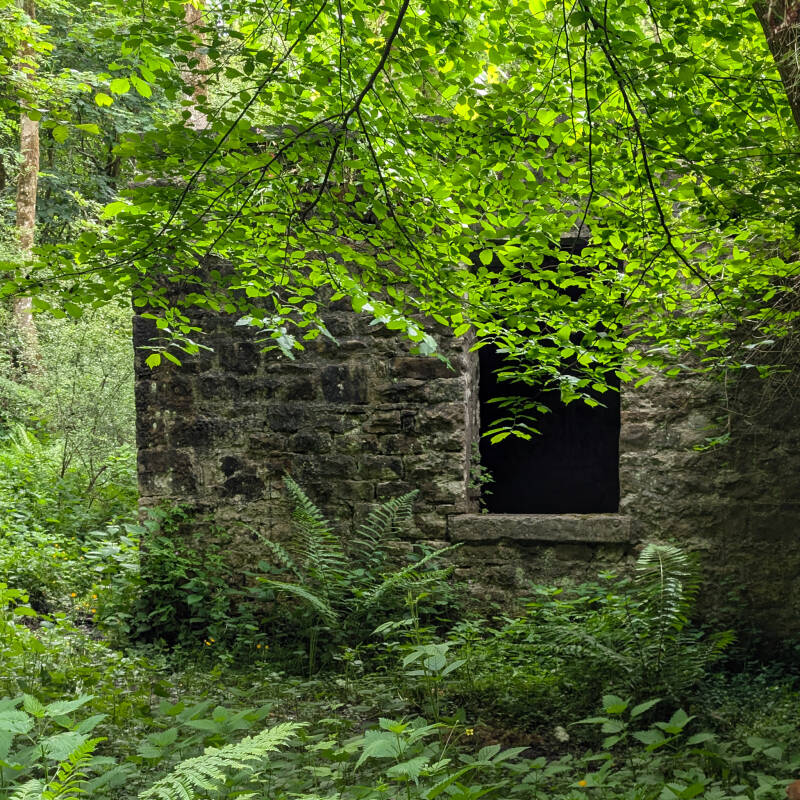
The concrete and stone building stands at the target end of the former Deepdale Rifle Range, an area known as the butts. This was where the targets were operated and where the men responsible for marking scores worked while shooting took place further down the valley.
Historic maps show firing positions laid out at distances from 100 to 600 yards. Recruits, volunteers and rifle club members fired from these positions towards the targets at the western end of the range. Once a target had been hit, it could be lowered into the protected butts area, checked and prepared for the next round of shooting before being raised again.
Today, the building survives as one of the clearest physical reminders of how the range worked: shooters spaced down the valley, targets and scorers protected behind the mantlet bank at the top.
The Butts Building
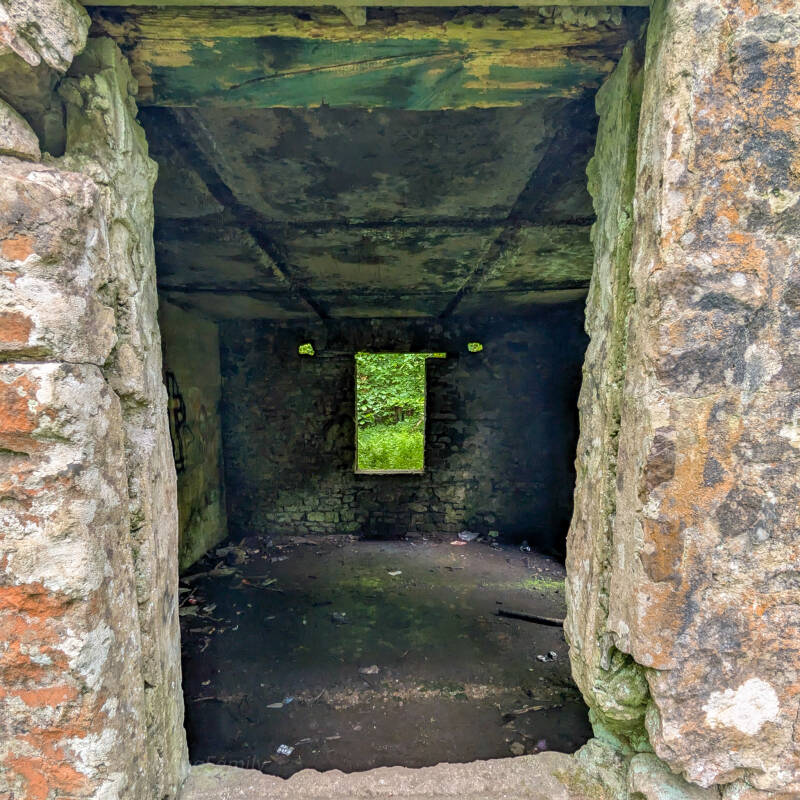
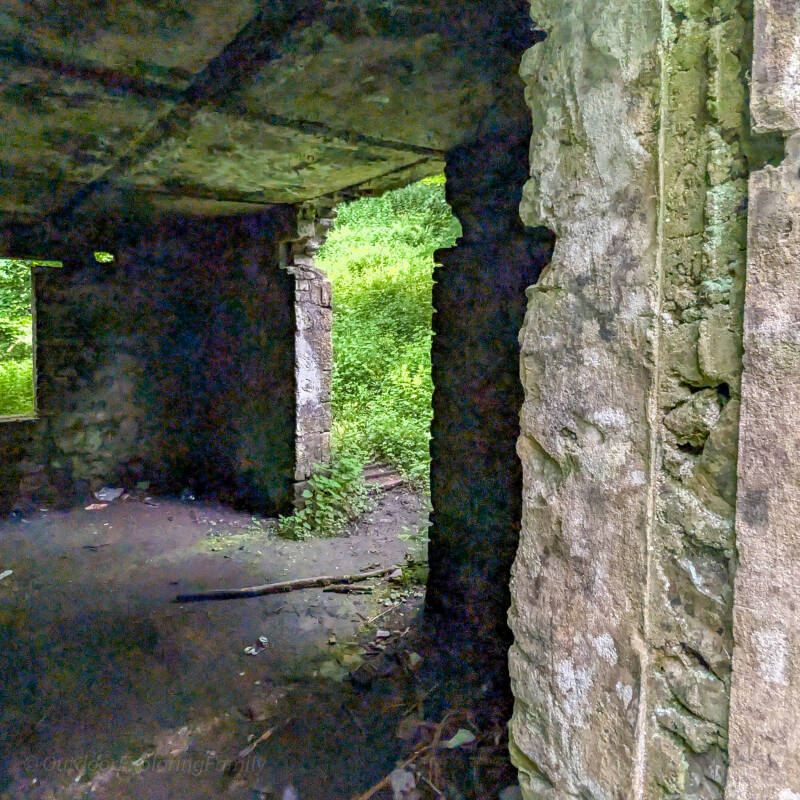
The surviving stone building formed part of the butts complex, where targets were operated and scores recorded. Recruits from Deerbolt Camp trained here during the range’s busiest years.
Deepdale in 1904
In June 1904, Deepdale Rifle Range was described as a “model and up to date rifle range” following improvements carried out to meet new musketry regulations. The modernised range was formally opened by recruits of the 3rd Battalion Durham Light Infantry Militia from nearby Deerbolt Camp.
New mantlets had been erected and fitted with Bailton’s patent revolving frames, while the range was equipped with the latest Welleaden paper targets. A workshop for making and repairing targets had also been completed, together with new signalling appliances.
The range was described as a four‑section range, and the paper targets were praised for showing clear and unmistakable perforations when struck by incoming rounds, leaving little room for dispute over whether a target had been hit. The new mantlets were constructed from fire‑proof concrete and iron stanchions, with very little woodwork used in their construction.
The improvements were carried out by local contractor C. Hedley of Galgate, Barnard Castle, whose work was praised for being completed quickly and in every detail. By the summer of 1904, recruits from Deerbolt Camp were already using the modernised range for daily shooting practice under the instruction of Sergt. Instructor Higginbotham, with plans for Maxim gun training to take place at Deepdale in the near future.
The Target Gallery
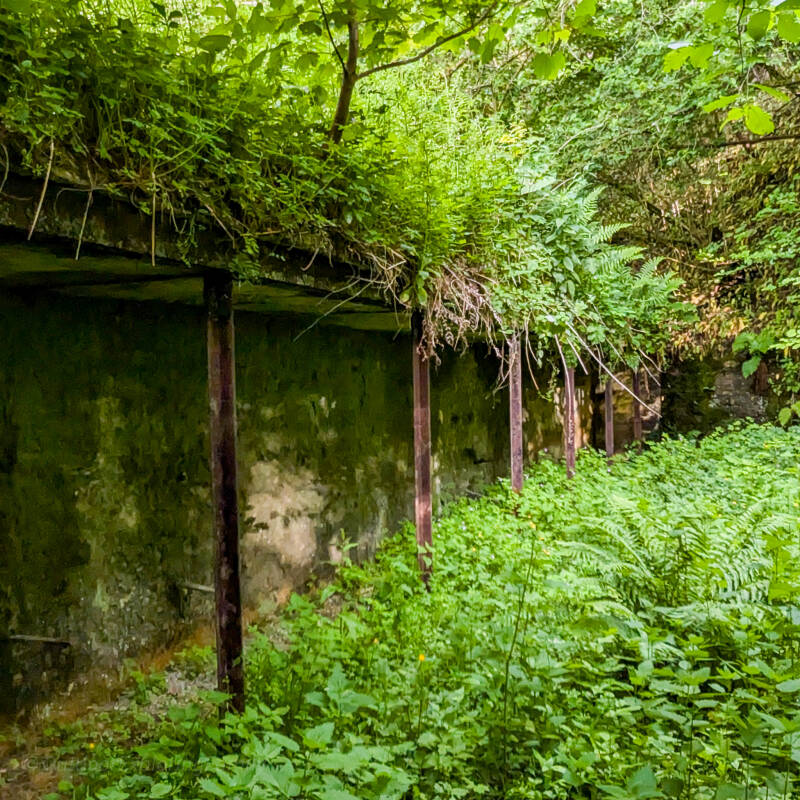
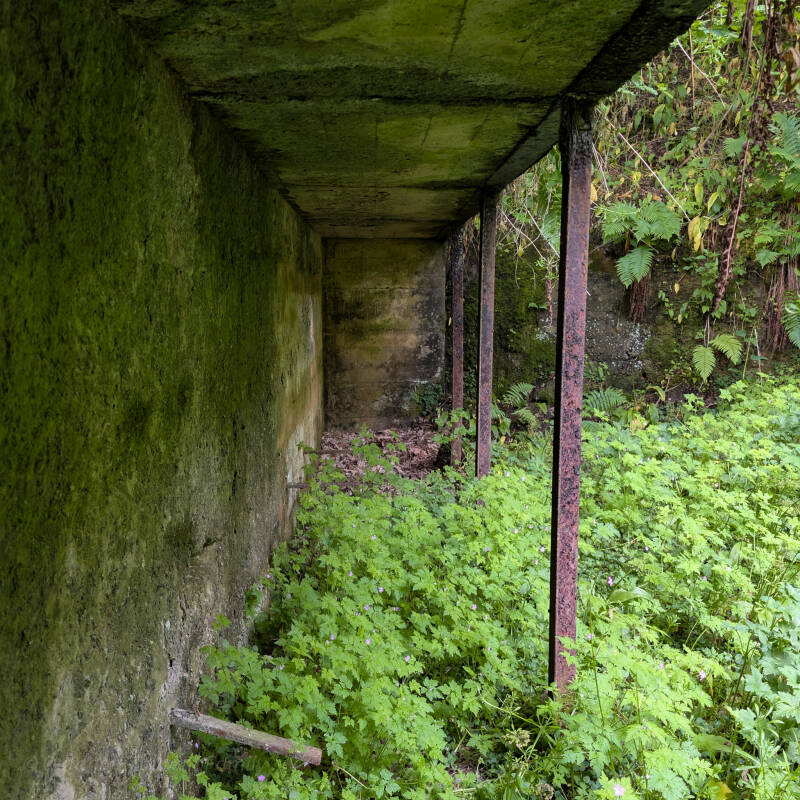
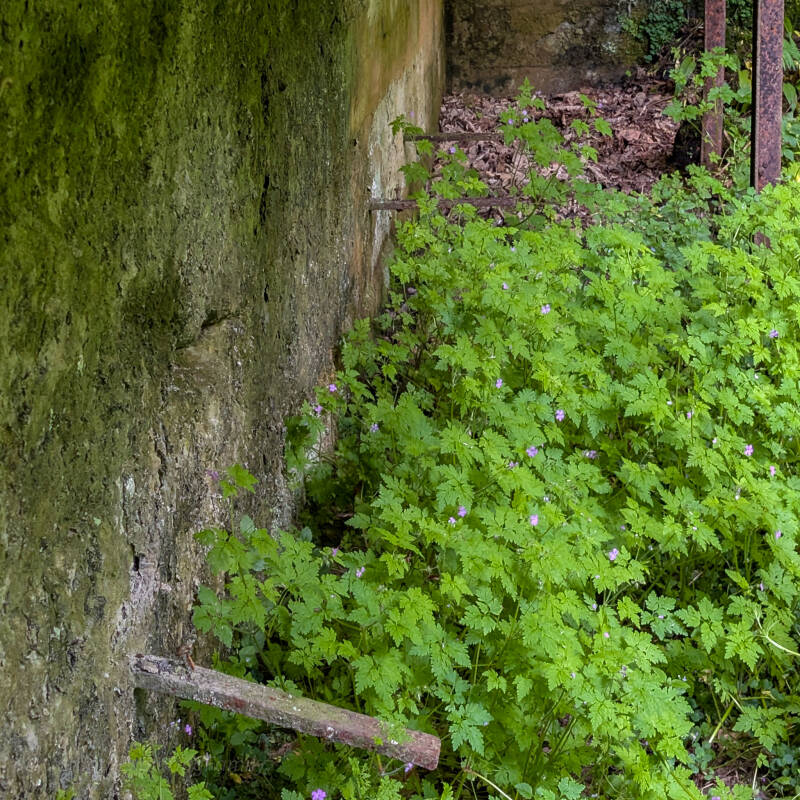
Beside the building lies the target gallery, a protected workspace where soldiers raised and lowered targets from behind the mantlet. The concrete roof and iron stanchions gave cover while shots passed overhead.
Unit-by-Unit History of Deepdale Rifle Range
Deepdale Rifle Range was used by a succession of local military units for almost a century. Although little remains today, newspaper reports, historic maps and regimental records show a clear pattern of who trained here and when.
Early Use: Volunteers and Militia (1860s–1881)
Deepdale Rifle Range was certainly in use by 1864, when the Teesdale Mercury reported an “annual contest” taking place in the valley. The reference to an annual event suggests the range may have been established earlier, but surviving records begin in the mid‑1860s.
The Durham Militia and the 3rd Battalion DLI (1881–1908)
After the 1881 Army reforms, the South Durham Militia became the 3rd Battalion Durham Light Infantry. They trained at Deerbolt Camp and used Deepdale for their musketry. In 1904, the range was rebuilt for Militia recruits and formally reopened by the 3rd Battalion. Contemporary reports describe new concrete mantlets, iron stanchions, Bailton’s revolving frames and Wellesden paper targets.
Volunteer Battalions of the DLI (1881–1908)
Alongside the Militia, the Volunteer companies based in Barnard Castle also used Deepdale. Annual musketry was compulsory, and Deepdale was the designated local range. A surviving postcard from 1907 shows a shooting team of the 4th Battalion DLI (Volunteers) at the range.
The Territorial Force and the 4th Battalion DLI (1908–1914)
In 1908, the Haldane Reforms reorganised local Volunteer units into the new Territorial Force. Musketry training continued at Deepdale, and the range remained an important facility for local Territorial soldiers.
Wartime and Inter‑War Use (1914–1939)
Deepdale remained a War Office rifle range during the First World War and the inter‑war years. Although detailed records of individual units using the range are limited, its continued military ownership and maintenance show that it remained an active training site throughout this period.
Second World War (1939–1945)
During the Second World War, the Barnard Castle area hosted several military camps, including Deerbolt. Given Deepdale’s long‑standing role as the district rifle range and its proximity to these camps, it was almost certainly used for training during the war, though surviving documentation naming specific units is scarce.
Post‑War Territorial Army (1947–1960)
After the war, Deepdale continued to serve local Territorial Army units. Public access was sometimes restricted while the range was in use, and warning signs were placed at the valley entrance. The range remained on War Office charge until 1 December 1960, when dismantling began. The land was formally handed back on 1 January 1961.
A Deepdale Competition, 1880
One of the most detailed accounts of Deepdale in use comes from December 1880, when F Company, 2nd Durham Rifle Volunteer Battalion held its annual prize shoot at the range. The event began at eleven o’clock, with competitors firing five rounds at 200 and 500 yards.
The report lists dozens of Barnard Castle names, Capt. Watson, Lieut. Boazman, Lieut. Badcock, Rev. Canon Brown, Dr. Munro, Mr Stanton of Stubb House, Mr Erskine of Wycliffe Rectory, and Mr Scott of Rokeby Grove among the subscribers and donors. Prizes ranged from small cash sums to donated goods: bottles of spirit, cheese, scarves, rabbits, and even teapots, all given by townspeople and local businesses.
After the shooting, the Volunteers gathered for dinner at Mr Cleminson’s Turk’s Head Hotel, where speeches praised the Army, Navy, and the Volunteers discipline and skill. The evening ended with songs and toasts to the officers and townspeople who supported the corps.
It’s a vivid glimpse of Deepdale as a working range, not just a military site, but a place where Barnard Castle’s community came together in competition and celebration.
The Wooden Posts Behind the Gallery
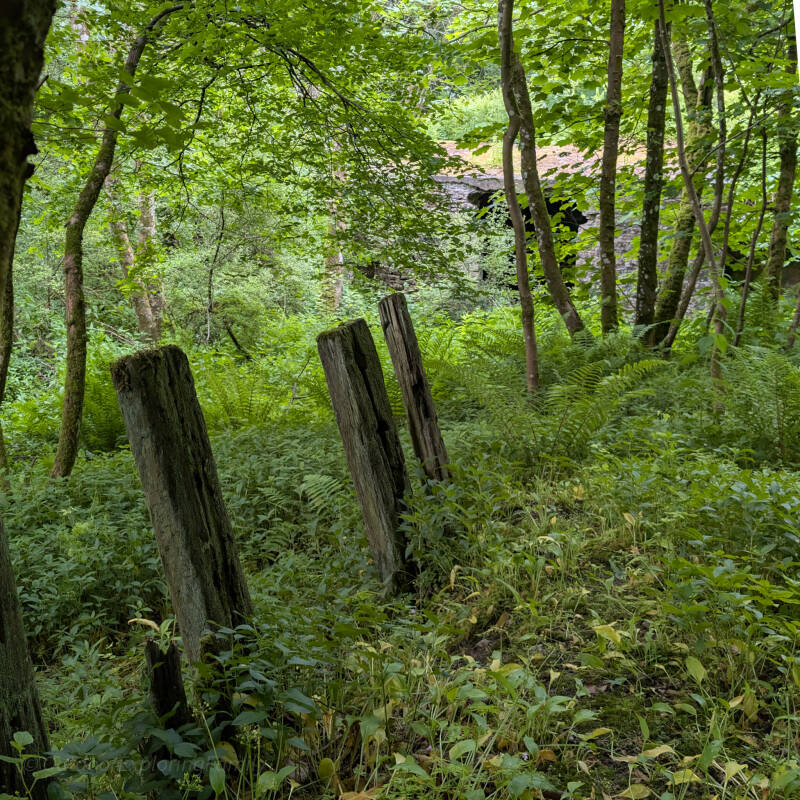
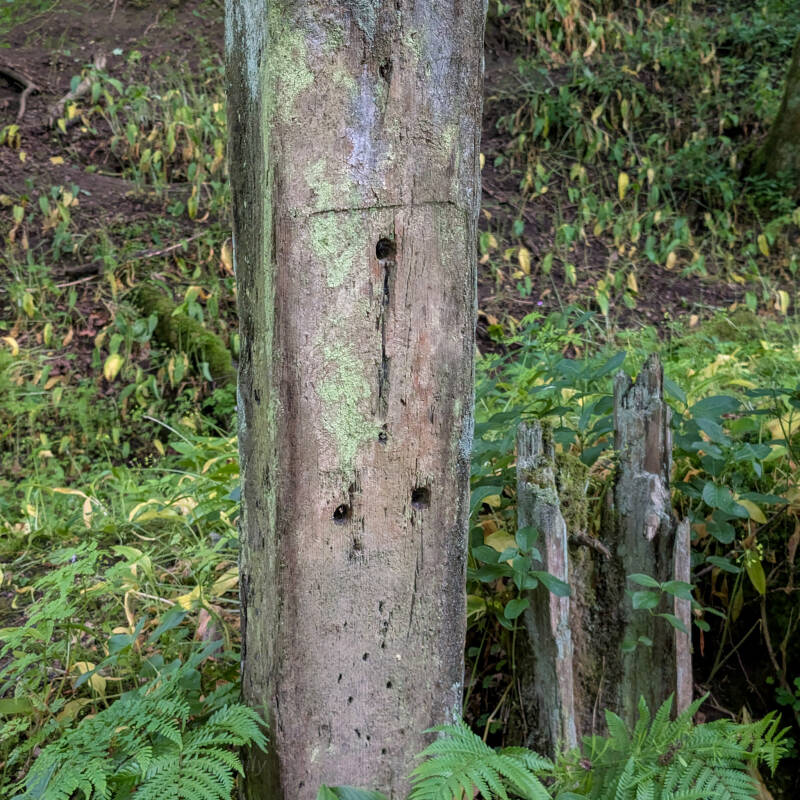
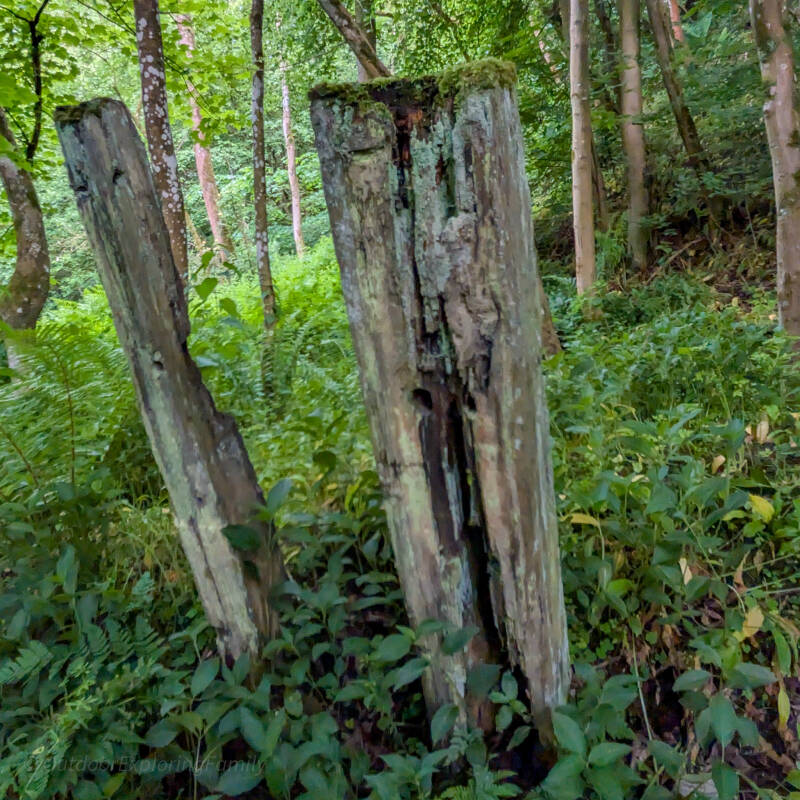
Behind the gallery is a line of heavy wooden posts set into a raised strip of ground. We don’t yet know exactly what these were for. We’ve compared them with similar features on other historic rifle ranges and searched for matching examples, but so far nothing identical has turned up. Their position suggests they were connected with the target end of the range, but their original purpose remains uncertain.
Ernest Higginbotham at Deepdale
Deepdale Rifle Range has seen thousands of soldiers pass through its firing points, but one man stands out more clearly than any other: Ernest Higginbotham, the instructor who shaped the way the Durham Light Infantry trained here.
Ernest served with the local Militia battalion based in Barnard Castle, a unit made up of men who lived and worked in the town but trained as soldiers when called upon. By the end of the 1890s he held the role of Sergeant Instructor of Musketry, the specialist responsible for teaching the battalion how to shoot. When the annual musketry course was held at Deepdale, Ernest was the man on the ground. He supervised the firing points, oversaw the butts, set out the targets, and guided the men through the same drills he had learned himself.
His military service included time in South Africa during the Boer War, after which he returned to Barnard Castle and continued his long association with the battalion. Like many Militia men he balanced his service with civilian work, living at Alma Dene on Vere Terrace and remaining part of the town’s life for decades. In later years he held the rank of Captain, a sign of the experience and trust he had built over a lifetime of service.
Deepdale’s history is full of units, dates and equipment, but Ernest gives the place a human centre, the instructor who knew the range best, stood behind the firing line and watched the shots fall, and helped shape the soldiers who trained here.
The 150‑Yard Marker
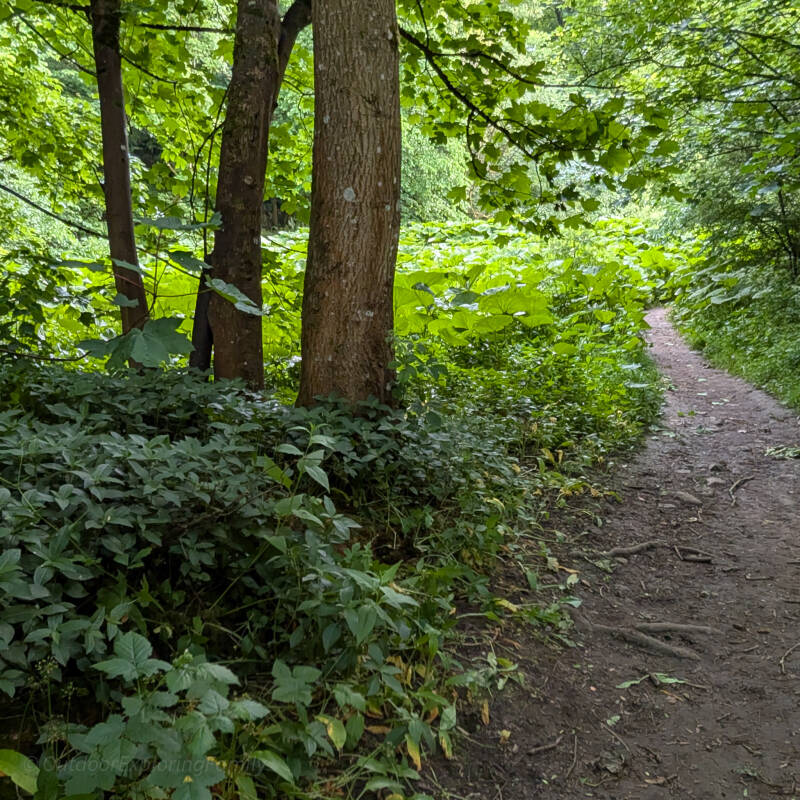
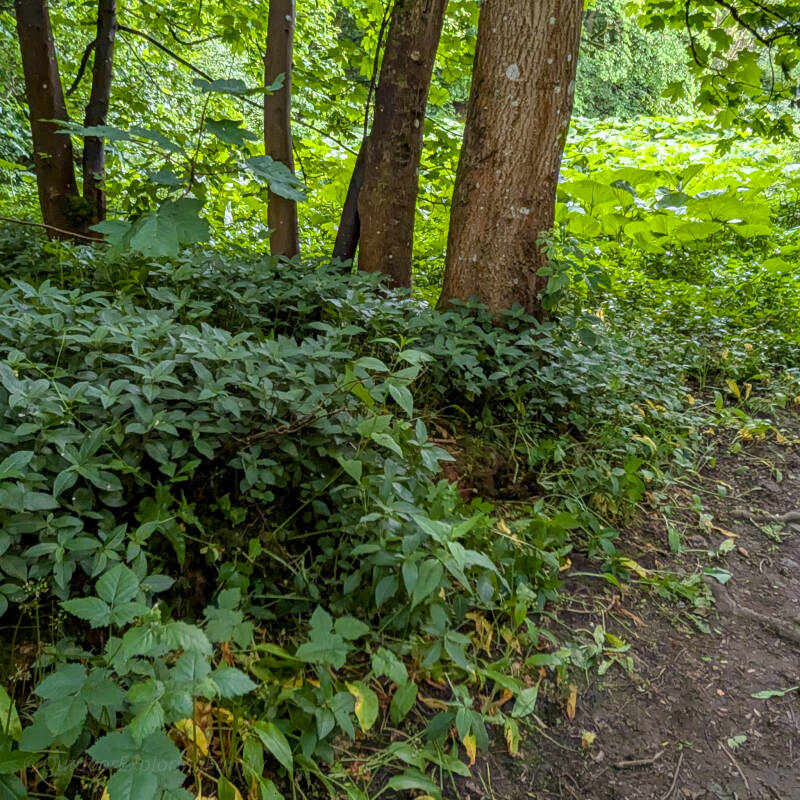
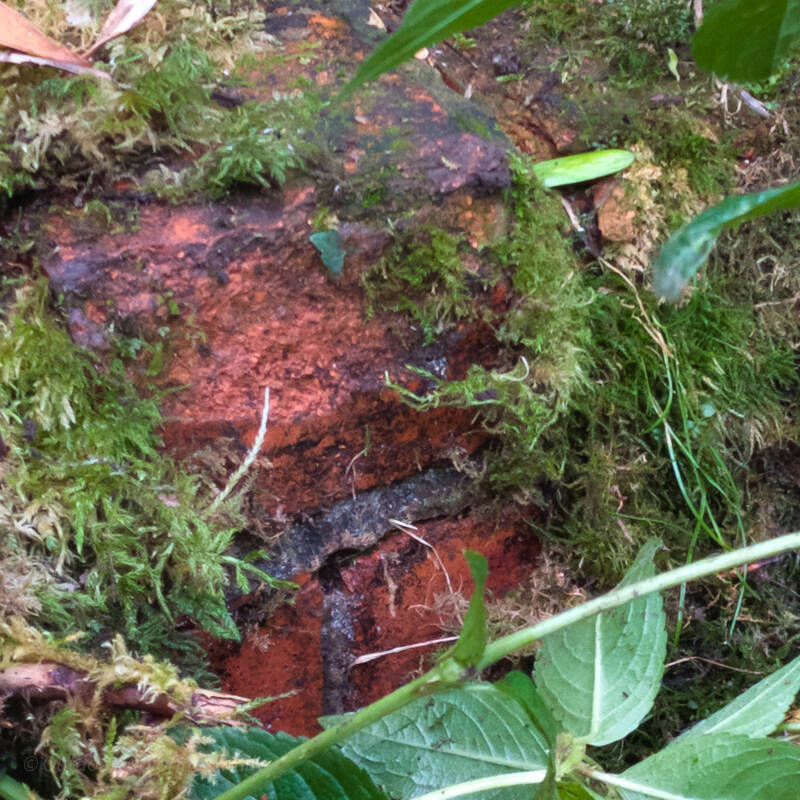
Just down from the target area, close to the bridge, there’s a long raised platform built from earth and old brickwork. This is the line of the 150‑yard firing point. It’s now heavily overgrown and being taken back by the woodland.
The End of the Rifle Range
By 1960, many local people felt that Deepdale had been lost behind warning signs and military restrictions. Although visitors could still enter the woodland when the range was not in use, many regarded the area as effectively closed. The Barnard Castle Chamber of Trade and Publicity Society, together with Startforth Rural District Council, spent years campaigning for the valley to be returned to public use.
Their efforts were eventually rewarded when the War Office announced that Deepdale Rifle Range would be derequisitioned. Dismantling of the range began on 1 December 1960 and, on New Year’s Day 1961, the land was formally handed back to its owner.
The decision was widely welcomed in Barnard Castle. Deepdale was regarded as one of the area’s most popular walks and beauty spots, and there was hope that landmarks such as the Great Stone and Crag Falls would once again attract visitors in the numbers they had before the military restrictions.
Today, the rifle range has long disappeared beneath the trees. Apart from a handful of surviving features, little remains to suggest that generations of soldiers once trained here. Instead, Deepdale is once again known for its woodland walks, peaceful scenery and the natural landmarks that have drawn people into the valley for generations.
Explore More in Deepdale Woods
Deepdale Rifle Range is one of the woodland’s most surprising stories, but it sits within a much wider landscape of nature, railway history and hidden features.
For parking, access, the Miles Without Stiles route and an overview of the woodland, start with our main Deepdale Woods guide.
You can also discover The Great Stone beside Deepdale Beck, find the mysterious Monk’s Head, or explore Deepdale Viaduct, the lost railway structure that once crossed the valley.