Egglestone Abbey to the Meeting of the Waters North Bank Walk
There are days when you do not want a big climb or a walk that takes up the whole afternoon. You just want to get outside, leave everything else behind for a while and follow a path somewhere beautiful. This gentle walk from Egglestone Abbey is perfect for that.
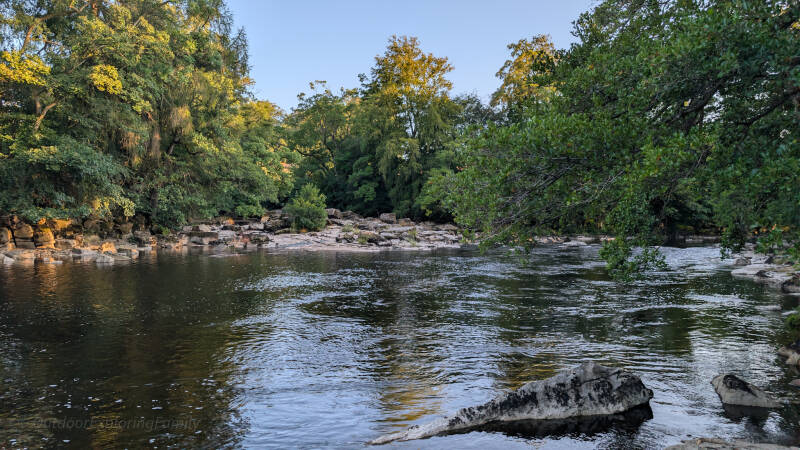
Beginning beside the abbey ruins, the route crosses Abbey Bridge and follows the north bank of the River Tees through woodland and open fields. The scenery changes several times in just over three miles, but it is the end of the walk that makes it really special. From the Meeting of the Waters viewpoint, you can look across the Tees towards Rokeby Park and the place where the River Greta flows into the Tees, surrounded by rocks and trees. Turner sketched this landscape from the north bank in 1831, and it is easy to understand why it held his attention.
This is not an endpoint to rush. Sit for a while, listen to the water and take in what is around you before heading back. The route is there and back rather than circular, but the return feels different as the direction of the views changes and the open fields catch the light from another angle.
At 3.4 miles, this is one of the gentler walks near Barnard Castle and a lovely choice for anyone looking for shorter walks in Teesdale. There is one stile over a dry-stone wall, livestock may be present and parts of the woodland path can become muddy, but there are no long climbs or difficult sections.
This walk follows the north bank of the River Tees through Tees Bank Plantation. It is different from our other Egglestone Abbey to the Meeting of the Waters walk, which explores the opposite side of the landscape around Rokeby.
* marks affiliate links. If you buy or sign up, we earn commission at no extra cost to you.
It helps cover website costs and keeps our guides free.
Quick Facts
Distance: 3.4 miles
Route type: There and back
Walking time: Around 1 hour 10 minutes, although we would allow longer
Difficulty: Gentle
Terrain: Woodland paths, riverside ground and open fields
Start point: Egglestone Abbey
Postcode: DL12 9TN
Parking: Egglestone Abbey car park
Dog friendly: Yes, but dogs must be kept under close control around livestock
Pushchair friendly: No
Wheelchair friendly: No
Toilets: None
OS map: Explorer OL31 North Pennines*
Digital guide: HiiKER map available*
GPX file: Free GPX download available

Parking and Access
The walk starts from the car park beside Egglestone Abbey. Use the postcode DL12 9TN and follow the signs for the abbey as you approach. Check the current signs in the car park for any parking charge or restrictions.
There are no toilets at the start, so it is worth using the facilities in Barnard Castle before travelling out. The route is not suitable for wheelchairs or pushchairs because of uneven woodland ground, field paths and the stile over the dry-stone wall.
Egglestone Abbey is right beside the car park, so leave yourself enough time to explore the ruins before or after the walk. Even a short wander around the abbey makes the beginning of the route feel a little more special.
Route Description
From Egglestone Abbey, follow the lane down towards Abbey Bridge and cross the River Tees. Abbey Bridge carries road traffic, so keep an eye out for vehicles as you cross and use the wider refuges in the parapet if needed. Once over the bridge, turn right and join the woodland path that stays close to the north bank of the river. This first section follows the Tees through the trees, with rocky stretches of water appearing beside the path.
Continue until the path divides beside the Tees Bank lime kiln. The lower path leads to the base of the kiln and is worth following briefly for a closer look at the surviving stonework. Return to the fork afterwards, take the upper left-hand path and follow the gentle climb past the top of the kiln towards the open fields.
Leave the woodland through the gate, turn right and follow the bottom edge of the first field. Keep the wall and trees on your right, with open views across the countryside on your left. Go through the wooden gate at the end of this field and continue along the bottom of the next field, again with the wall and trees on your right and the open land on your left.
At the far end, go through another wooden gate and cross diagonally towards the public right of way post and the stile over the dry-stone wall. Once across the stile, continue diagonally through the next field towards the large oak tree. This part feels especially wide and open.
From the oak tree, look straight ahead and you will see a small wooden gate. Walk towards it and pass through into another field. Follow this field with the wall on your left, looking through the trees on your right to see whether you can spot Rokeby Park on the opposite side of the River Tees.
Go through the wooden gate at the end of the field. Shortly afterwards, turn right and follow the signed path towards the Meeting of the Waters viewpoint.
When you are ready to leave, return to Egglestone Abbey by following the same route back.
Things You Will See on This Walk
Although this is one of the shorter walks around Barnard Castle, there is plenty of variety along the way. The route moves from the ruins of Egglestone Abbey to an old bridge, riverside woodland, open farmland and one of the most beautiful river views in lower Teesdale.
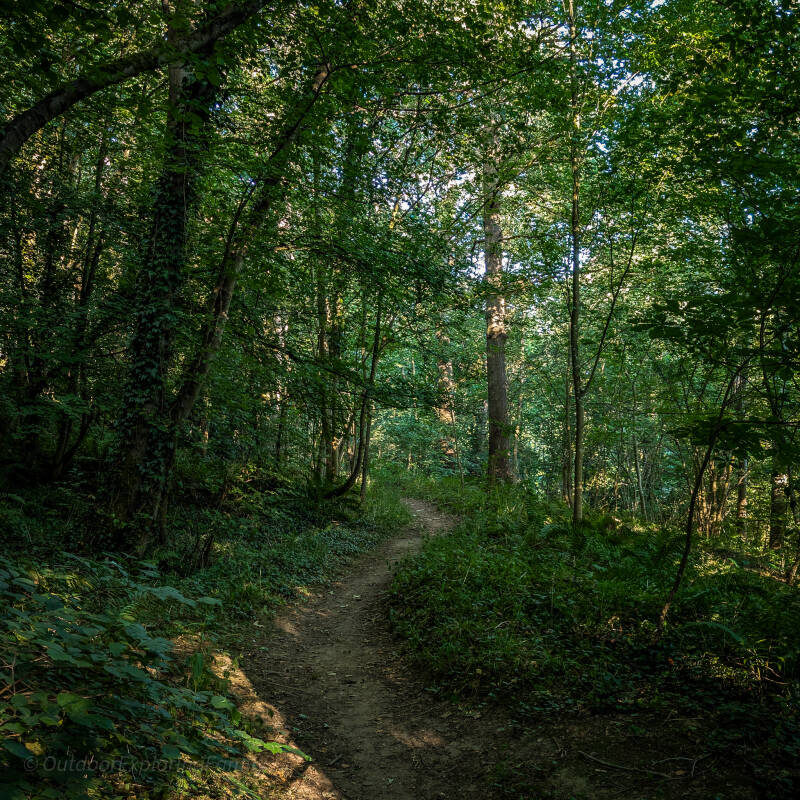
Tees Bank Plantation Woodland Path
The walk begins along a peaceful woodland path that stays close to the River Tees. The trees keep this section sheltered, with glimpses of the water appearing through the leaves as you make your way towards the open fields.
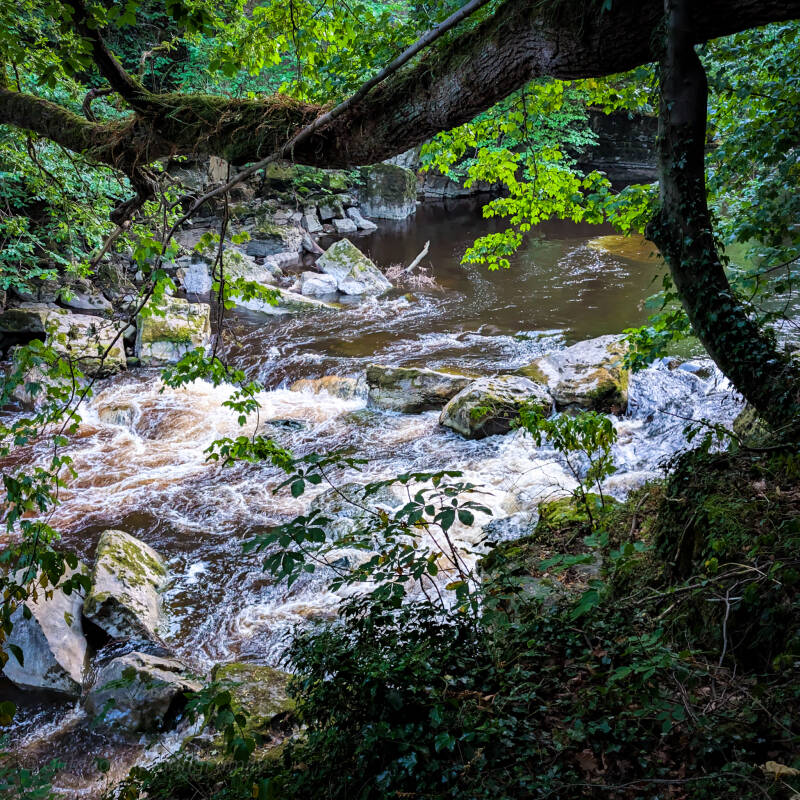
River Tees Through the Woodland
Several rocky sections of the River Tees can be seen from the path. The water looks different depending on recent rain, sometimes calm around the pools and sometimes moving quickly over the rocks.
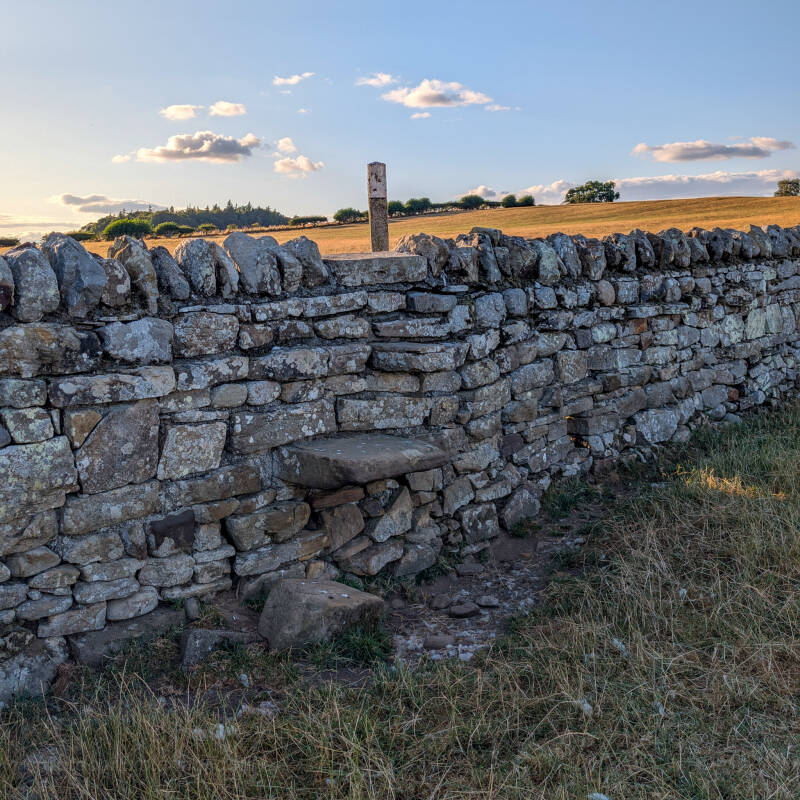
Dry-Stone-Wall Stile
There is one stile over a dry-stone wall on the route. It is a proper stone crossing, so take your time and give younger children a hand if needed.
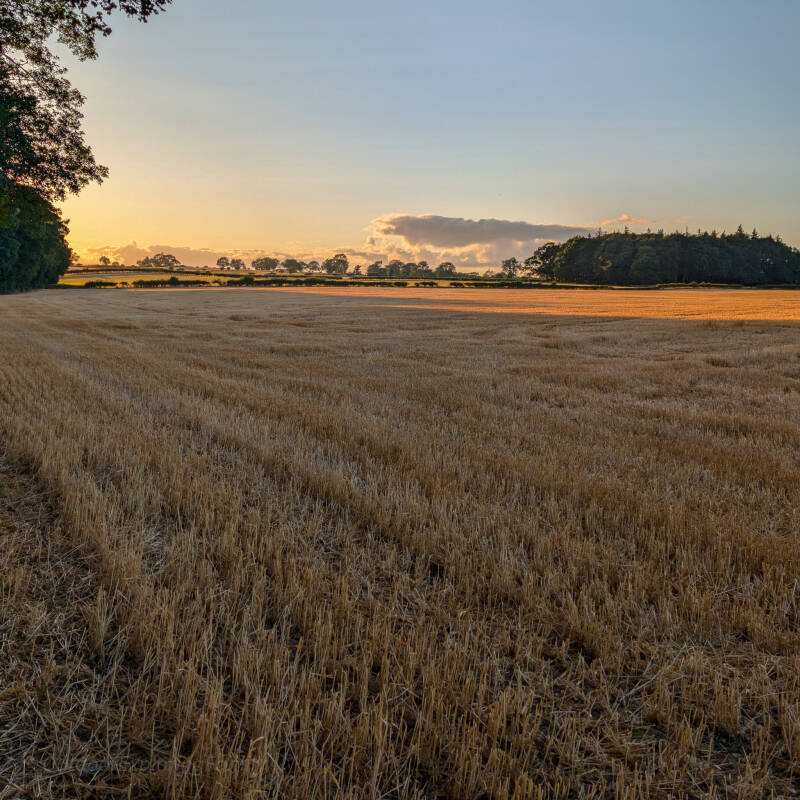
Open Fields
Once you leave the woodland, the route opens into broad fields with long views across the Teesdale countryside. This section feels completely different from the riverside path and is especially lovely in the evening light.
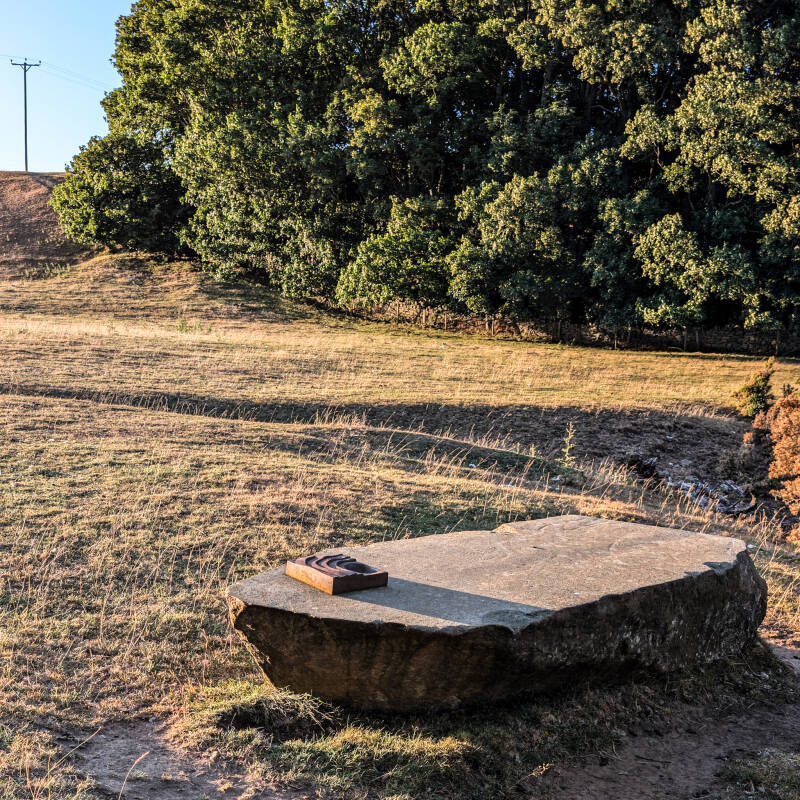
The Viewpoint Marker
A small cast-metal feature sits on a large stone plinth at the viewpoint. Its official title and meaning have not yet been confirmed, so we will describe what is there without inventing an explanation.
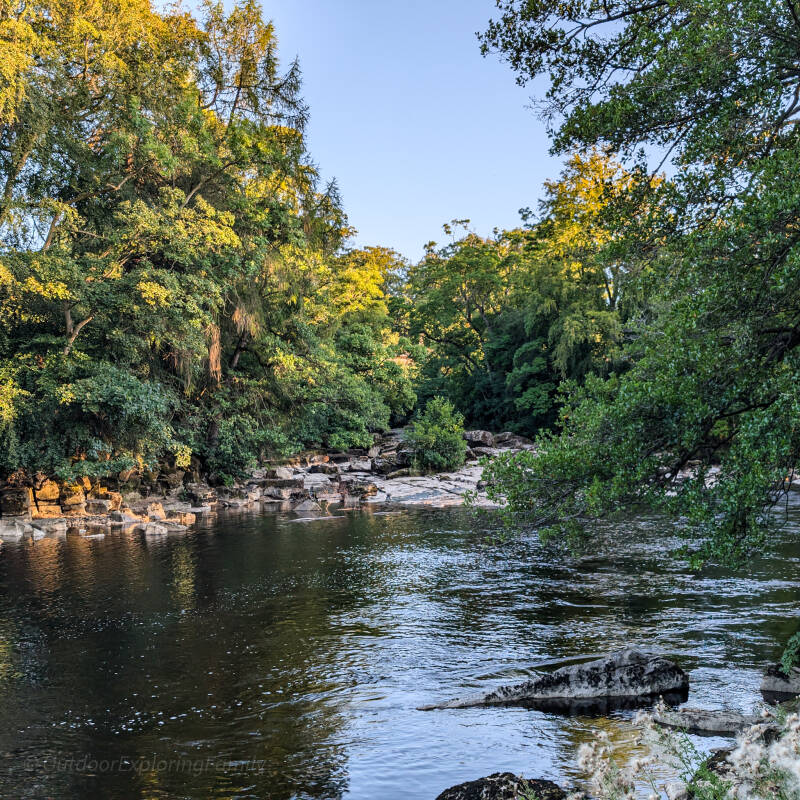
Meeting of the Waters
The highlight of the walk is the view across the River Tees towards the place where the River Greta joins it beside Rokeby Park. It is worth stopping here for a while rather than turning straight back.
The Meeting of the Waters from the North Bank
The Meeting of the Waters is one of those places that feels much quieter than you expect, especially when you remember how close it is to Barnard Castle. From the north bank of the River Tees, you can look across towards Rokeby Park and the point where the River Greta joins the Tees, with rocks, trees and the water filling the view.
This walk reaches the viewpoint from Tees Bank Plantation and stays entirely on the north side of the river. There is no public crossing from here to Rokeby Park, and the signs asking you to return the same way are there because this is the intended there-and-back route, not because part of a circular walk has disappeared.
The view also has a lovely connection with J. M. W. Turner. In 1831, Turner sketched the junction of the Greta and Tees from the north bank, looking across the confluence towards the Rokeby landscape. We cannot say he stood on the exact spot where the modern viewpoint now sits, but he studied the scene from this side of the river, which gives the place another layer of interest when you stop and look across the water.
A small cast-metal feature sits on the large stone plinth at the viewpoint, its curved shape looking as though it may relate to flowing water. What is frustrating is how little information seems to survive about these small metal pieces dotted around Teesdale. We have not yet found a reliable page explaining the full project, the individual designs or what each one was meant to represent.
It leaves plenty of unanswered questions. Was the project completed as planned, changed along the way or simply never properly documented online? Even if the work finished years ago, you would still expect the organisation behind it to have left a clear public record. Until that turns up, we would rather be honest about the gap than pretend we know the story behind this particular piece.
The Tees Bank Lime Kiln
The Tees Bank lime kiln stands in the woodland on the north bank of the River Tees, close to Abbey Bridge and the old quarry. It is easy to walk past without realising what it is, but once you stop and look properly, it becomes one of the most interesting parts of this short walk.
The kiln was built into the hillside so limestone and locally sourced coal could be tipped in from above in alternating layers. The contents were then heated to around 900°C, turning the limestone into quicklime. The bowl of the kiln was lined with sandstone because it was better able to withstand the heat.
Quicklime had several useful jobs across Teesdale. Farmers spread it over fields to improve the soil, while builders mixed it with water to make slaked lime for mortar, plaster and limewash. The interpretation board beside the kiln explains how lime was used in the walls and arches of Egglestone Abbey, in the plasterwork and render at Rokeby Park, and on traditional farm buildings across Upper Teesdale.
In September 2016, the Heart of Teesdale Landscape Partnership recorded that Northumbria Masonry Conservation had consolidated the kiln. That means the surviving stonework was stabilised and protected rather than rebuilt as new.
We do not yet know exactly when the kiln was built or who worked it. The old maps show the nearby quarry, but the kiln itself seems to have gone unlabelled.
Walking Conditions, Livestock and Safety
This is a gentle 3.4-mile walk with very little climbing, but it still follows woodland paths, riverside ground and working farmland. The path beside the River Tees can become muddy after rain, with roots, stones and uneven sections underfoot.
Sheep or other livestock may be present in the fields, so keep dogs under close control and use a lead whenever animals are nearby.
There is one stile over a dry-stone wall and several wooden gates along the route. Leave gates as you find them and follow any signs on the ground.
Children who are happy walking just over three miles should manage it well, although younger children may need a hand at the stile and should be kept close beside the river.
Sturdy footwear is a good choice, especially after wet weather.
A Short Walk Worth Taking Slowly
This is not a walk for racing around or trying to get back to the car as quickly as possible. The best part of it is how much the landscape changes in such a short distance, from the abbey and Abbey Bridge to the woodland beside the Tees, then out into wide open fields before reaching the Meeting of the Waters.
When you arrive at the viewpoint, give yourself time to enjoy it. Sit for a while if the ground is dry, watch the water moving below and take in the view towards Rokeby Park. It is the sort of place where ten minutes can easily turn into half an hour, and that is exactly how this walk should be enjoyed.
The return follows the same path, but it does not feel like a repeat. The fields open out in the opposite direction, the woodland looks different on the way back and Abbey Bridge feels like a lovely finish as you cross the Tees once more.
Explore More Around Egglestone Abbey and Barnard Castle
This north-bank walk is only one way to explore the Meeting of the Waters. Our other Egglestone Abbey to the Meeting of the Waters walk follows the opposite side of the landscape and gives you a completely different view of Rokeby and the rivers.
You can also spend more time around the ruins with our Egglestone Abbey guide, or learn more about Thomas Robinson, the architect who helped shape Rokeby Park and its landscape.
For more riverside paths, woodland routes and gentle countryside walks, head to our Walks in and Near Barnard Castle guide. You will also find many more walks in Teesdale in our main Discover Teesdale hub.