The Lost Spa Walk, Barnard Castle
This gentle circular walk follows the River Tees west of Barnard Castle, passing through Flatts Wood and Tees Bank before returning across open countryside. Apart from one short uphill section, the route is easy to follow and offers a peaceful mix of woodland paths, riverside scenery and far reaching views.
Along the way you'll discover the Wishing Stones, old stone steps, the site of a forgotten sulphur spa, the remains of the Tees Viaduct and traces of the former hunting landscape of Marwood Chase. It is a walk that rewards curiosity, where a closer look reveals stories hidden within the landscape itself.
* marks affiliate links. If you buy or sign up, we earn commission at no extra cost to you.
It helps cover website costs and keeps our guides free.
Distance: 3.6 miles circular
Route type: Circular walk
Terrain: Woodland paths, riverside tracks, fields and countryside footpaths
Difficulty: Easy to moderate
Dog friendly: Yes — keep dogs on a lead around livestock
Pushchair friendly: No
Parking: Deepdale Nature Reserve car park, DL12 9AZ
Start point: Deepdale Nature Reserve car park
OS Map: Explorer OL31 North Pennines*
Digital route: View the route*
GPX files: Free download here


Route Description
Start from Deepdale Nature Reserve car park (DL12 9AZ), where space is available for around five cars. If the car park is full, there is usually additional roadside parking in the layby on Lartington Road. Alternatively, the walk can easily be started from Barnard Castle town centre.
From the car park, cross Deepdale Aqueduct, often known locally as the Silver Bridge. In our opinion, this is one of the finest views of Barnard Castle, looking downstream along the River Tees towards the castle.
Cross the bridge and turn left. Pass the site of the Bandstand and follow the riverside woodland path with the River Tees on your left.
As you approach the area where the Tees Viaduct once crossed, take care at the path junction and keep to the lower path.
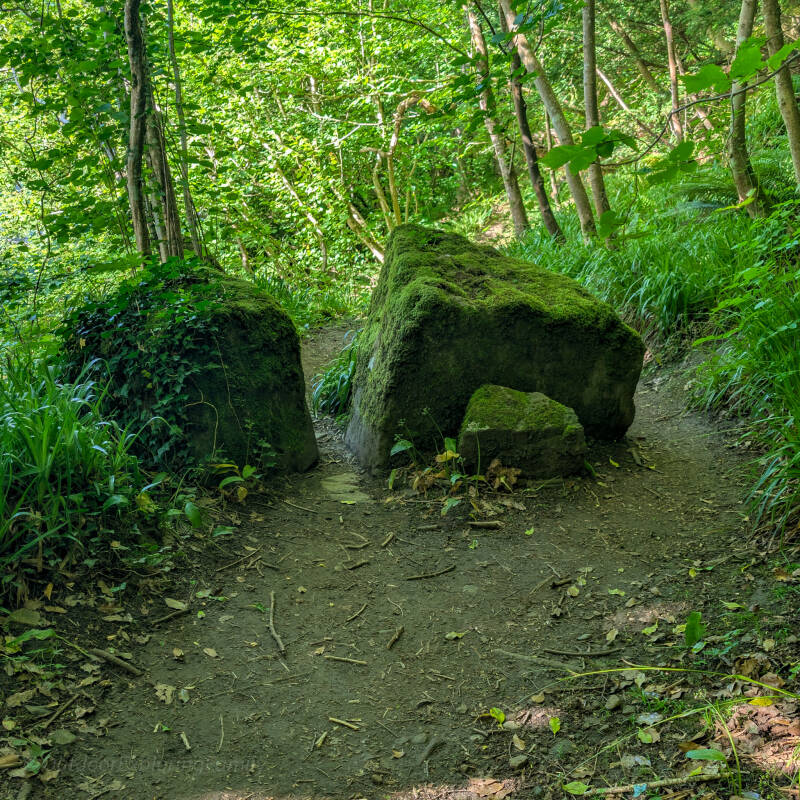
A short distance later you will pass the Wishing Stones. According to local folklore, if you can pass between or around the stones without touching them while making a wish, it will come true.
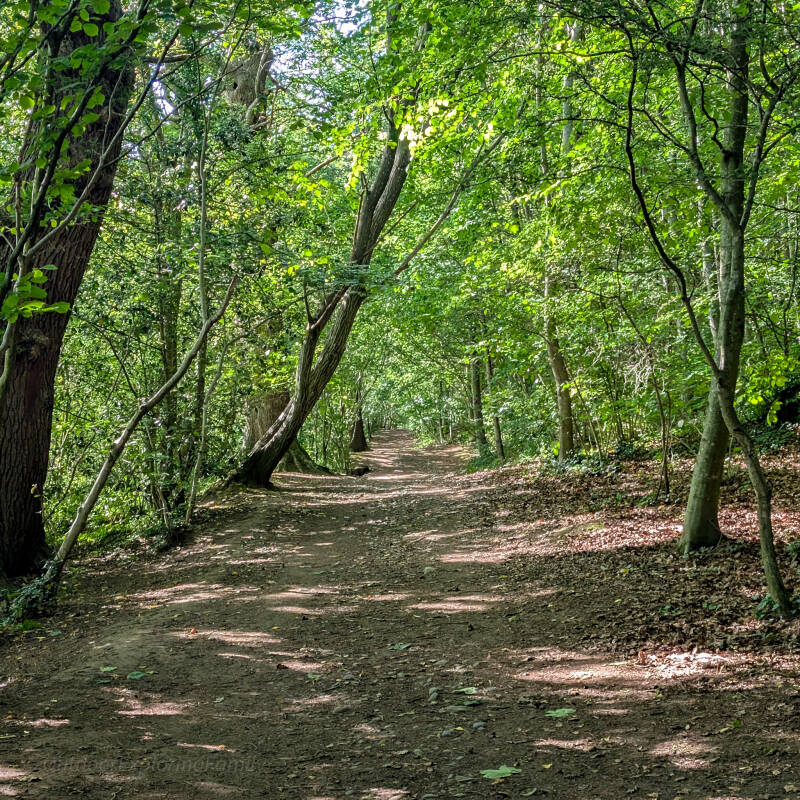
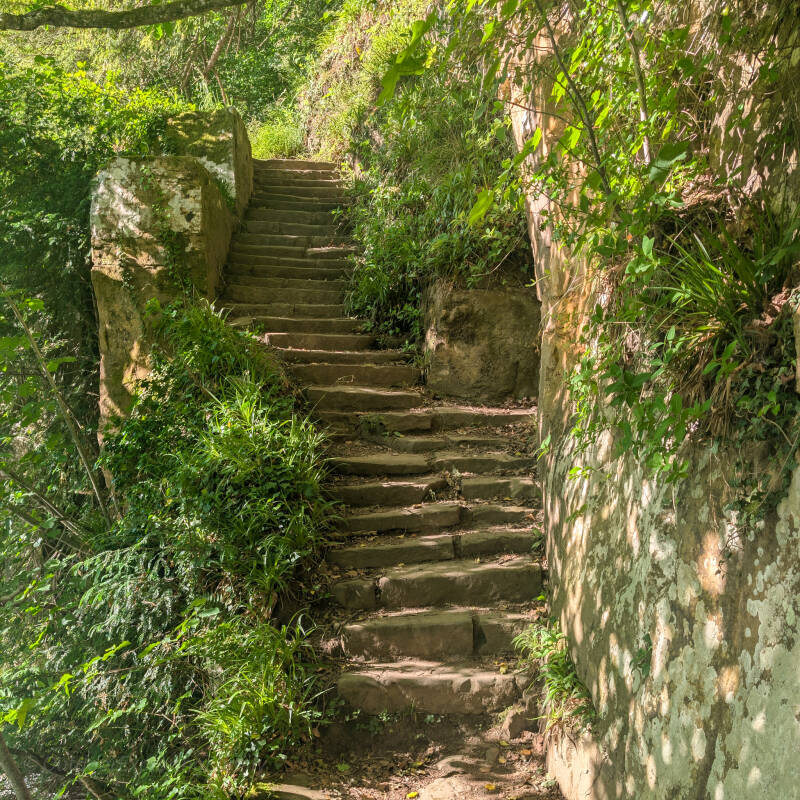
Continue along the woodland path until you reach a large stone staircase. It feels surprisingly grand for a woodland setting and serves as a reminder that this was once a popular Victorian walking route.
Beyond the steps, the path passes old stone walls before reaching the site of the lost Spa. Little remains today, but historic maps show a sulphur spring here and Victorian guidebooks describe it as a mineral spring believed to have healing properties.
Continue through the gate and into open countryside. Keep the wall on your right before passing through another gate and climbing steadily uphill between stone walls.
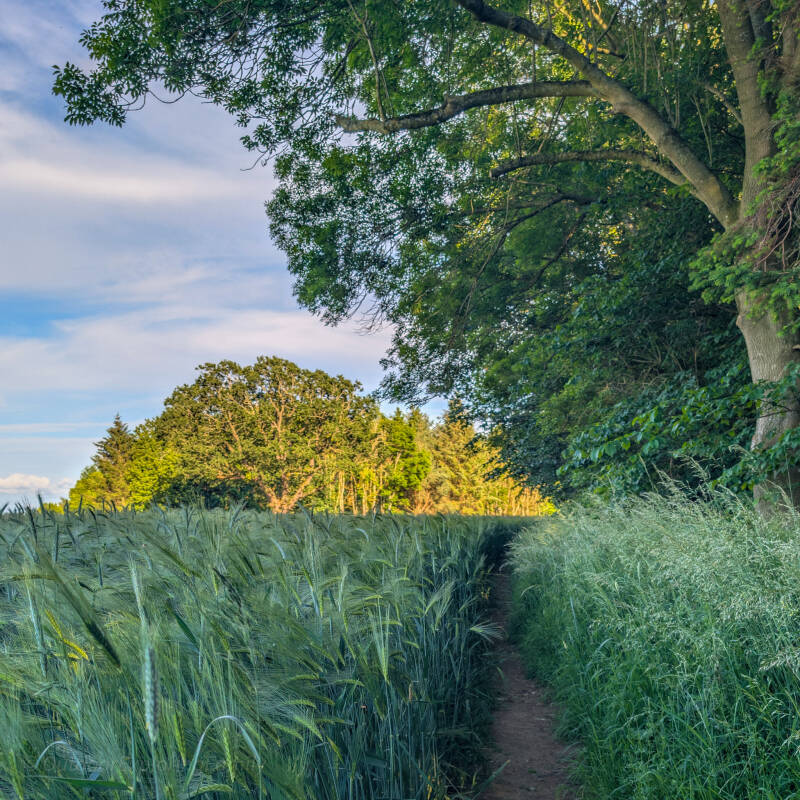
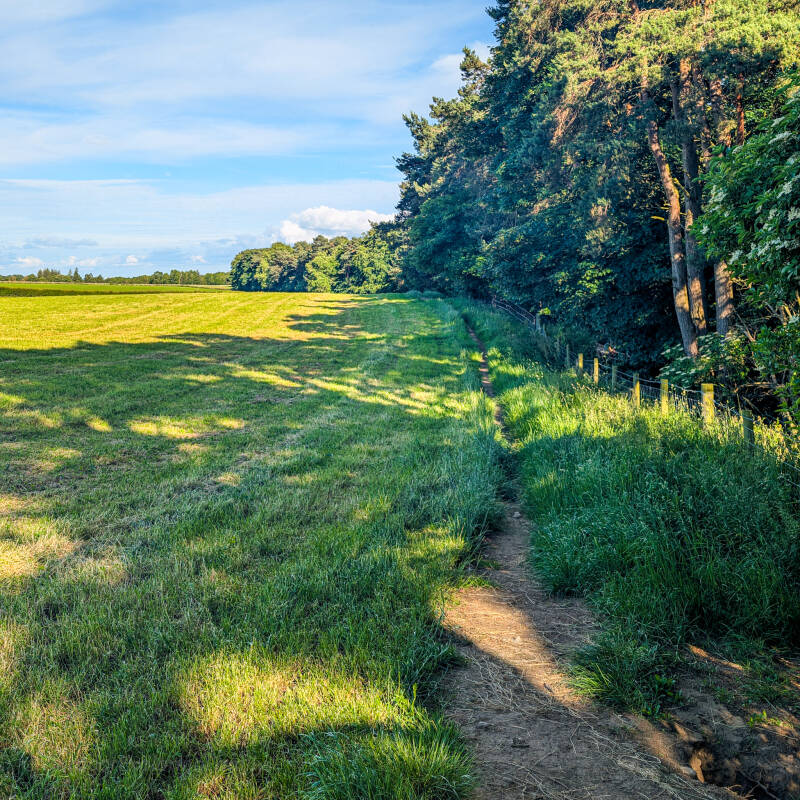
At the top, turn right and follow the clear path across higher ground. Open fields stretch away to your left while woodland remains on your right.
The route gradually descends towards Flatts Wood, passing views of the former Tees Viaduct before returning to Deepdale Aqueduct and the car park.
The Wishing Stones
One of the well known landmarks on this walk is the Wishing Stones.
The two large stones stand either side of the path, creating a narrow gap that walkers have been passing through for generations. According to local folklore, if you can make your way between the stones without touching either one while making a wish, your wish will come true.
The tradition is not a recent invention. In 1915, Teesdale writer Harwood Brierley described the stones in detail, noting that they stood beside the woodland path about a mile from Barnard Castle. He wrote that visitors regularly stopped here and believed that hundreds of people had sat on the stones and made wishes over the years.
Brierley suggested the stones had originally fallen from the steep crags above before becoming firmly embedded in the ground. More than a century later they remain in the same position, their surfaces now softened by moss and weather.
Whether you believe the legend or not, the Wishing Stones are one of those places that encourage you to pause for a moment. They are a reminder that long before modern walking guides existed, people were exploring these same woodland paths and creating stories of their own along the banks of the River Tees.
The Old Stone Steps
The old stone steps are one of those moments on the walk where the history suddenly starts to make sense.
At first, they feel almost too grand for a quiet path beside the River Tees. They are not the sort of thing you expect to find in woodland unless the route once had more importance than it does today.
That is exactly what happened here.
This riverside path was once part of Barnard Castle’s old Spa Walks, a cared for walking route where people came for fresh air, river views and the mineral springs near Flatts Wood and Tees Bank. Dr George Edwards, who helped shape the early walks through the wood, is also closely connected with protecting the Spa and putting down the steps.
By the mid nineteenth century, the Spa was being looked after properly. The well was cleared out, the steps were repaired, the surrounding wall was rebuilt and the water pipe was restored. Very little is obvious now, but if you look closely at the ground, the old walls and the level areas beside the path, it still feels like a place where people once stopped rather than simply passed through.
Today, the steps still make you pause. They feel like a leftover piece of an older Barnard Castle, when these riverside walks were part of health, leisure and everyday life beside the Tees.
The Lost Spa
If you didn't know the history, you would probably walk straight past this spot.
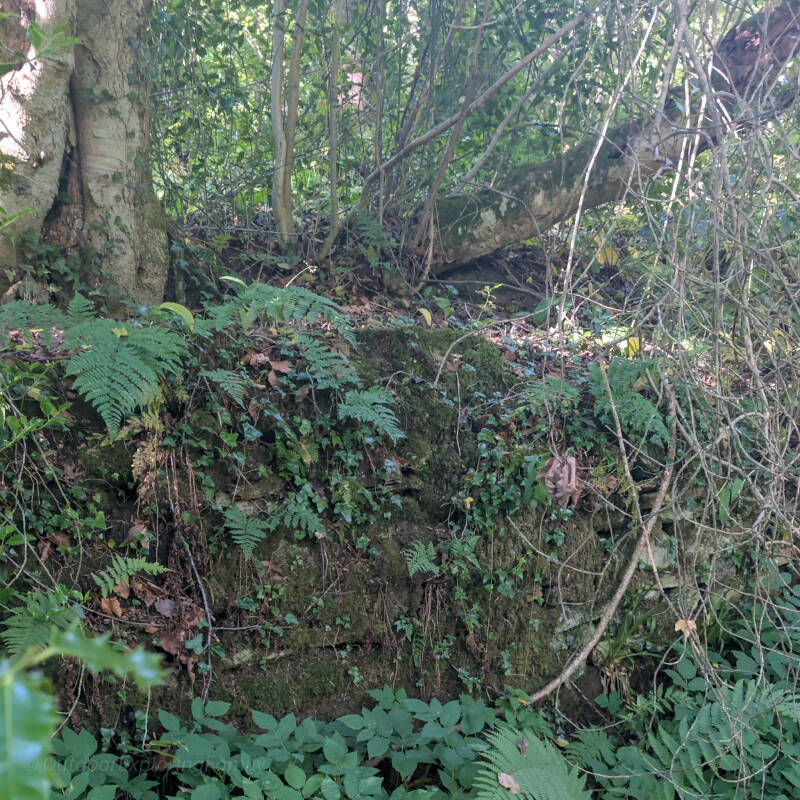
Today there are no signs, no information boards and no obvious well waiting to be discovered. Instead, you find yourself standing beside the River Tees looking at an area of uneven ground, old stonework and hints of a landscape that once had a very different purpose.
During the nineteenth century, this was known as The Spa. At a time when people travelled across Britain to visit mineral springs and spa towns, visitors came here to drink sulphur water believed to help a range of ailments. Newspaper reports show there was once a well, steps, a surrounding wall and a water pipe, while old maps marked the location simply as "The Spa".
Although little survives today, the shape of the landscape still tells part of the story. Look closely and you can pick out old walls, level areas beside the path and signs that this was once a place where people stopped rather than simply passed through.
The visitors may have gone, but more than 150 years later the setting remains much the same. The river still flows below, the woodland still surrounds the path and this forgotten corner of Barnard Castle still feels like a place worth pausing for a moment.
The Old Tees Viaduct Remains
As the walk climbs away from the river and returns along the higher path, you pass the remains of the old Tees Viaduct.
It is easy to miss now, but this was once one of the biggest railway structures in Barnard Castle. The viaduct carried the railway across the River Tees towards Lartington and formed part of the old South Durham and Lancashire Union Railway.
Work began in the 1850s and the viaduct was built with stone piers, stone abutments and a wrought iron lattice girder deck. Contemporary reports described it as a noble piece of engineering, rising high above the river and stretching for hundreds of feet across the valley.
Like Deepdale Viaduct, it was linked with the railway engineer Thomas Bouch, who later became known for designing the first Tay Bridge in Scotland. That bridge collapsed in 1879, bringing his career to a tragic end, but here in Teesdale his earlier railway work helped shape the landscape around Barnard Castle.
The Tees Viaduct was eventually demolished in the 1970s. Explosives were used to bring down the huge pillars, and today only fragments of the structure remain.
For this walk, the remains are a reminder of how much the landscape has changed. You move from old spa walks and riverside paths into railway history, all within a short distance of Barnard Castle.
Old Stone Walls and Marwood Chase
Around the Spa, old stone walls appear beside the path, disappearing into the woodland before reappearing again further along the route.
They caught our attention straight away. The walls seem too substantial to be there by accident, and they add to the feeling that this was once a much busier place than it is today.
For centuries, this area formed part of Marwood Chase, a large hunting park connected with Barnard Castle. Long before these paths became popular with walkers, the land was managed as part of an estate where deer roamed and hunting took place. Marwood Chase stretched along the north side of the River Tees and remained closely linked with Barnard Castle for generations.
Old guidebooks described parts of this walk as following the line of the old park wall, and some of the walls around the Spa may be connected with that history. It is impossible to say exactly which sections are original and which have been repaired or rebuilt over the years, but they help explain why this part of the walk feels different from the woodland around it.
Standing beside the old walls, with the Spa nearby and the River Tees below, it is easy to imagine this landscape looking very different to the one we see today.
A Walk Through Nature and History
This is not a walk to rush.
Take your time. Pause at the Wishing Stones. Look at the old walls around the Spa. Stand on the stone steps and imagine the generations of people who have walked this same route before you.
The Lost Spa Walk is a reminder that some of the most interesting places are not always the most obvious. A forgotten spring, a few old walls, a gap between two stones and a path through the trees can tell a surprising amount about the history of Barnard Castle.
For us, walks like this are about more than reaching the end of the route. They are about noticing the small details, connecting with nature and giving your mind chance to slow down for a while.
That is what Outdoor Exploring Family and Discover Teesdale are all about.
If you find yourself stopping to look a little closer, wondering about the people who walked here before you, or simply enjoying a quiet moment beside the River Tees, then you are already part of it.
A calmer mind often starts with a slower walk.
Explore More Walks Around Barnard Castle
Barnard Castle Circular Walk
An easy riverside walk following the River Tees through open countryside and some of the best views around Barnard Castle.
Flatts Wood Circular Walk
A peaceful 3 mile walk exploring Flatts Wood, Percy Beck, the old railway bridge and riverside paths beneath the castle.
Deepdale Woods Walk
A woodland walk through Deepdale Nature Reserve, following Deepdale Beck past the Great Stone, the Monk's Head and other fascinating features.
Barnard Castle to Lartington Circular Walk
A varied circular route combining woodland paths, riverside scenery, historic estate landscapes and old railway history.
Egglestone Abbey to Meeting of the Waters
A scenic riverside walk following the River Tees to one of the most peaceful spots in the area.
Thorsgill Wood Walk from Egglestone Abbey
A quieter woodland walk through mature woodland close to Egglestone Abbey, perfect for a slower paced wander.
Fuel Your Adventure
For longer walks and days out exploring Teesdale, we often take Huel with us. It is quick to prepare, easy to carry and handy when you want something filling without stopping for a full meal.
If you’re new to Huel, £10 off your first order is automatically applied when you use our link, so there is no discount code to enter.
👉 Get £10 off your first Huel order here*
Using our link helps support Outdoor Exploring Family at no extra cost to you and helps keep our walking guides free.