Hury Mill Bridge, Baldersdale
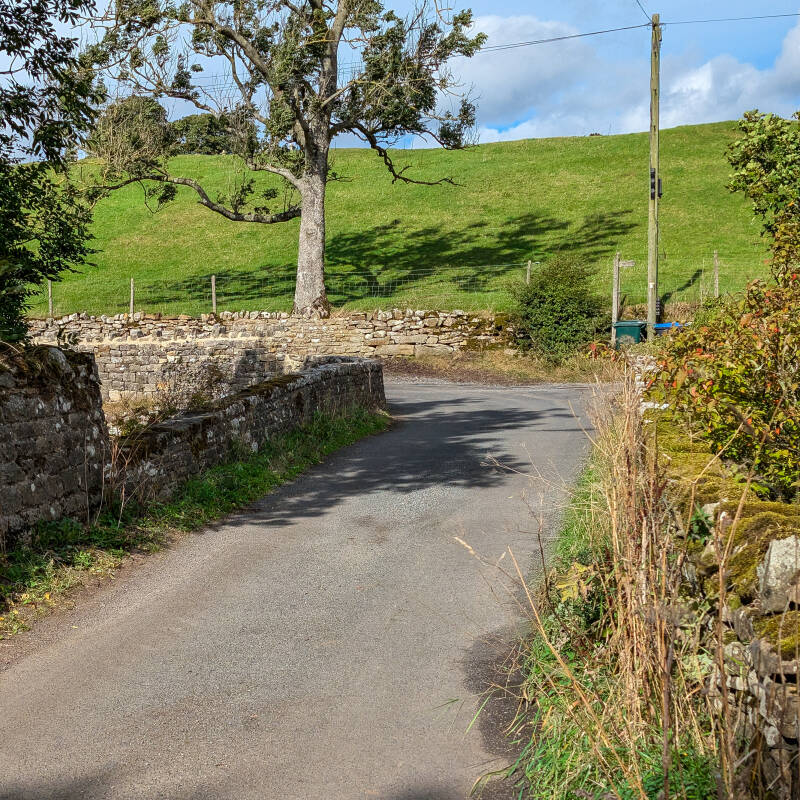
Just below the eastern end of Hury Reservoir, the road narrows to cross the River Balder over Hury Mill Bridge. It is a small stone bridge and probably one that plenty of people have driven over without giving it much thought, but it has been part of Baldersdale for more than 200 years.
Dating from the mid to late 1700s, the bridge was already here long before Hury Reservoir changed this end of the valley. Hury Mill was here too and can be traced back to at least 1741. The mill has long since disappeared and the landscape upstream looks completely different, but the bridge has survived and is still carrying the road across the Balder today.
Quick Facts
Location: Hury, Baldersdale, Teesdale
River: River Balder
Date: Mid to late 18th century
Type: Single-span stone road bridge
Listed: Grade II
Listed since: 12 January 1967
Former listed name: Hury Bridge
OS Grid Reference: NY 96848 19577
Parishes: Cotherstone and Hunderthwaite

More than 200 years of crossings
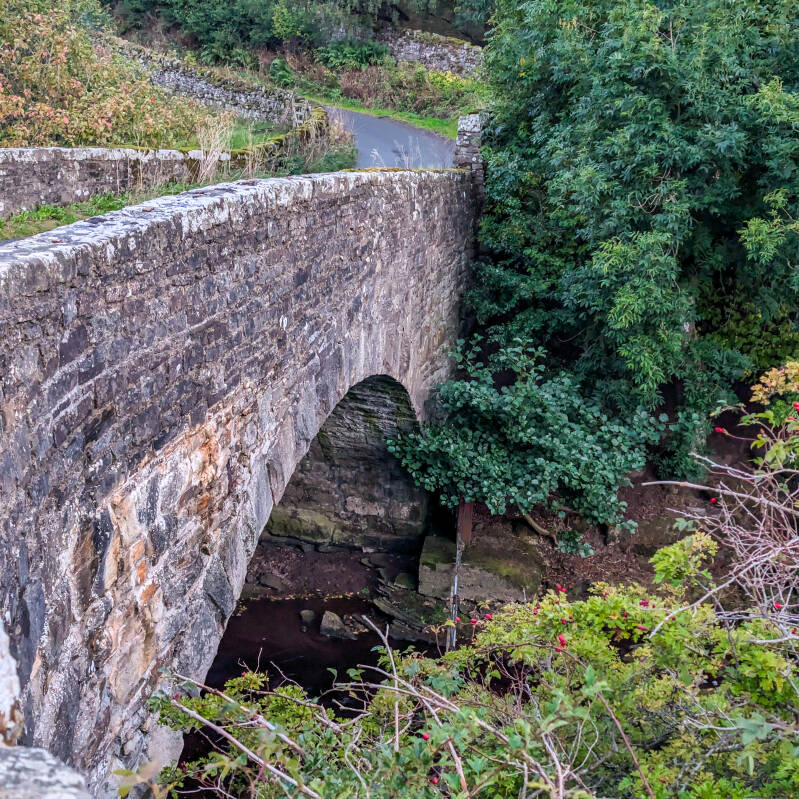
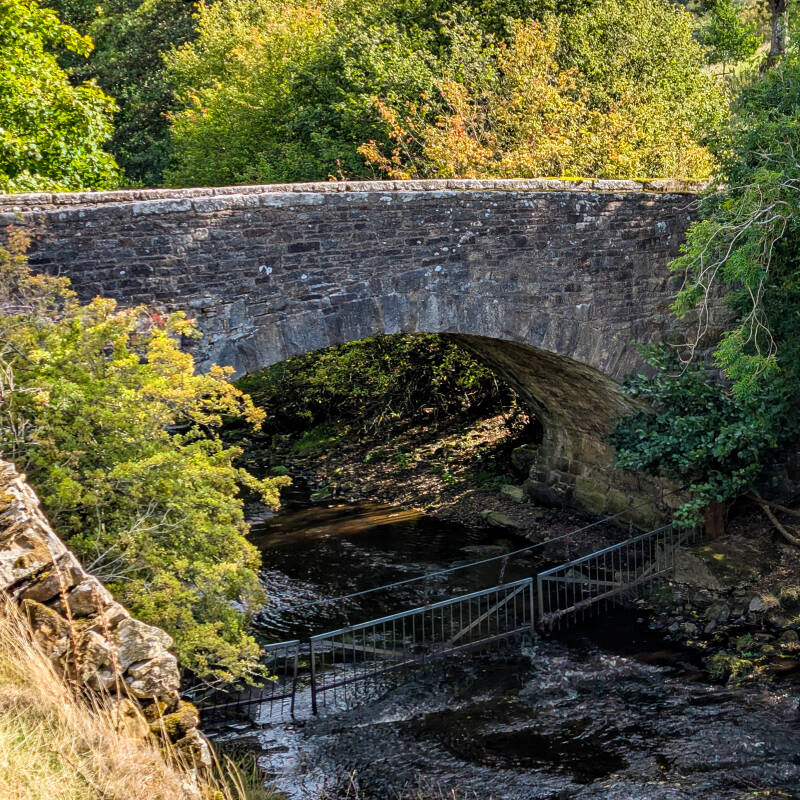
Hury Mill Bridge was built sometime during the mid to late 18th century. It has a single stone arch over the River Balder and is built from dressed and rubble stone, with slightly curved stone parapets across the top.
What is nice about it is that it is still very much a working bridge. It hasn't been bypassed or left as an old crossing beside a newer road. More than two centuries after it was built, traffic still follows the same narrow route across the river.
Its age is easy to underestimate. Work on The Bowes Museum in Barnard Castle did not begin until 1869, by which time Hury Mill Bridge had already been carrying the road across the Balder for generations.
A bridge that survived Hury Reservoir
The view around the bridge would have been completely different when it was first built. There was no reservoir immediately upstream and no dam rising above the river. Instead, the valley continued west through Baldersdale with the River Balder running down through it.
The biggest change came during the reservoir works of the late 1800s. Hury and Blackton formed part of the huge water supply scheme created for Stockton and Middlesbrough. By June 1892, Hury Reservoir was already being filled with water.
The works transformed the land immediately upstream. Hury Mill disappeared and the river valley behind the bridge became the reservoir we know today, but the old stone bridge remained in place.
That is what makes this little crossing so interesting. The dam and reservoir beside it belong to the huge Victorian changes made to Baldersdale, while the bridge below them had already been carrying people across the Balder for generations before that work began.
Hury Mill
Just upstream from the bridge once stood Hury Mill, a water-powered corn mill that can be traced back to at least 1741, when it was recorded with its own kiln.
The bridge dates from the mid to late 1700s, so the mill and bridge were both part of this little corner of Baldersdale for generations. Later maps show the mill buildings and mill race beside the Balder before the reservoir completely changed the landscape.
Hury Mill disappeared during the reservoir works of the 1880s, but the bridge survived. Today it is listed as Hury Mill Bridge, although it was formerly listed simply as Hury Bridge.
Look at it from below
It is easy to miss the best part of the bridge if you only drive across it.
From lower down beside the River Balder you can see the single stone arch properly and get a much better idea of its age. You can also see just how close it sits to the reservoir works above, with the old bridge below and the much later dam rising behind it.
The bridge straddles Cotherstone and Hunderthwaite, so crossing it also takes you across the boundary between the two parishes.
Hury Mill Bridge was Grade II listed in 1967 and records show that repairs were carried out in 1984.
Explore more around Hury
Hury Mill Bridge is only one part of the story here. Start with our Hury Reservoir guide for parking, walking and what you can see around the water, then go deeper into the history of Hury Reservoir and how this part of Baldersdale changed when the reservoir was built. You can also read the story of Hury Mill, which once stood just upstream from the bridge, and our guide to the Hury Reservoir drawdown and £15 million improvement works taking place today.
There is much more around the reservoir too. Follow the footpath to the ruins of Yew Tree Farm, discover the prehistoric Hury and Blackton Reservoir rock art, or explore more historic crossings through our Bridges of Teesdale collection. For everything else across the dale, head back to Discover Teesdale, or open the Discover Teesdale map and web app to find walks, history, places to eat, accommodation and things happening nearby.