Egglestone Abbey to Whorlton Bridge Circular Walk
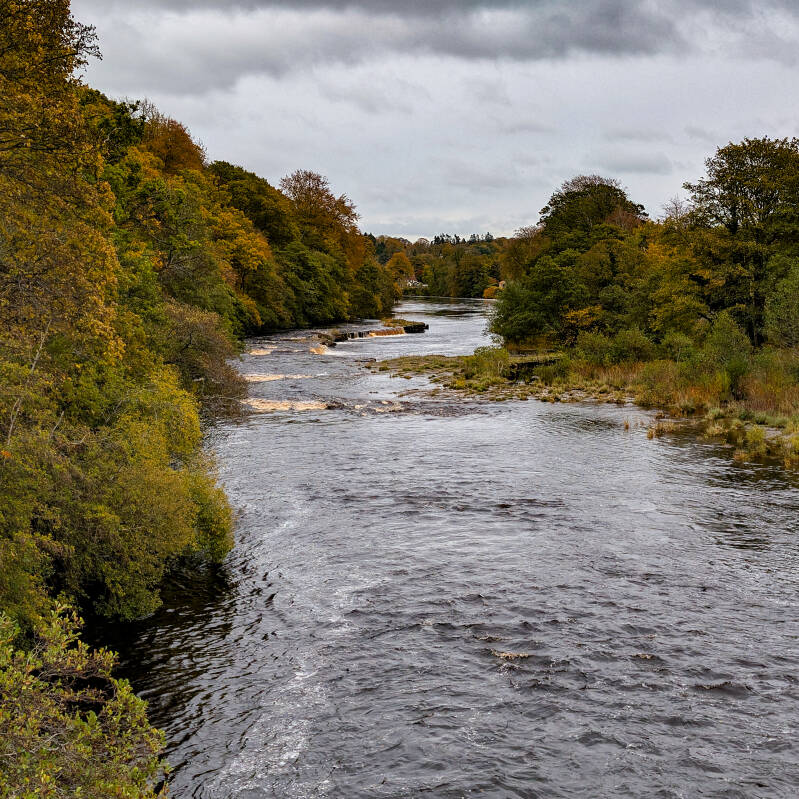
Some walks are made for slowing down and noticing the little things around you, and this six and a half mile circular from Egglestone Abbey to Whorlton Bridge is definitely one of them. It takes you through peaceful woodland, across open fields and along the River Tees, with an amazing amount of history to discover along the way.
With Whorlton Suspension Bridge finally reopened in September 2026, we can enjoy this lovely circular route once again. Along the way you'll pass the ruins of West Thorpe, see the magnificent Mortham Tower, cross the Dairy Bridge over the River Greta and visit the Meeting of the Waters, where the Greta joins the Tees. There are also a few places you might not give a second thought to, until you discover what was once there.
We found this a really enjoyable walk and surprisingly gentle compared with some of our usual adventures around Teesdale. Much of the route follows fairly level fields and woodland paths, with a few steps and stiles along the way. There's plenty to keep you interested, but it's just as lovely for spending a few hours outside, enjoying the countryside and giving your mind a break from everyday life.
* marks affiliate links. If you buy or sign up, we earn commission at no extra cost to you. It helps cover website costs and keeps our guides free.
Quick Facts
Distance: Approximately 6.5 miles circular
Time: Allow 3 to 4 hours, longer if stopping to explore
Start and finish: Egglestone Abbey Car Park, Barnard Castle
Postcode: DL12 9TN
Parking: English Heritage car park beside the abbey
Route type: Circular walk
Terrain: Open fields, woodland paths, country lanes, gates, stiles and some wooden steps
Difficulty: Fairly easy overall
Dogs: Ours love it
OS Maps: Landranger 92 – Barnard Castle & Richmond*
Digital route: View the route*
GPX files: Free download here

Parking and Access
We started from Egglestone Abbey Car Park on Abbey Lane, just outside Barnard Castle (DL12 9TN). The car park is managed by English Heritage, and there are also a few roadside lay-bys between Abbey Bridge and the abbey.
Walking boots are a good choice for this one, especially after a bit of rain when the woodland paths can get muddy. There are a few stiles, gates and steps along the way, but nothing particularly challenging.
The last few times we've walked through the fields around Mortham Tower, there's been livestock grazing, so that's worth bearing in mind if you're bringing your dog along.

The Route
Egglestone Abbey to Whorlton Bridge
Starting from Egglestone Abbey Car Park, head back down the lane you arrived on. At the bottom, turn right at Mill House and follow the road towards Abbey Bridge. Before you've even properly started walking, you're already passing somewhere with hundreds of years of history behind it.
Cross Abbey Bridge and turn right onto the woodland footpath on the opposite side. You'll now have the River Tees on your right as you begin following the north bank downstream.
The woodland path soon splits into two. The lower path leads towards the bottom of the old Tees Bank Lime Kiln, but for this walk take the left path, which climbs gently uphill. You'll still pass the kiln, only this time from above, before the path eventually brings you out into open fields.
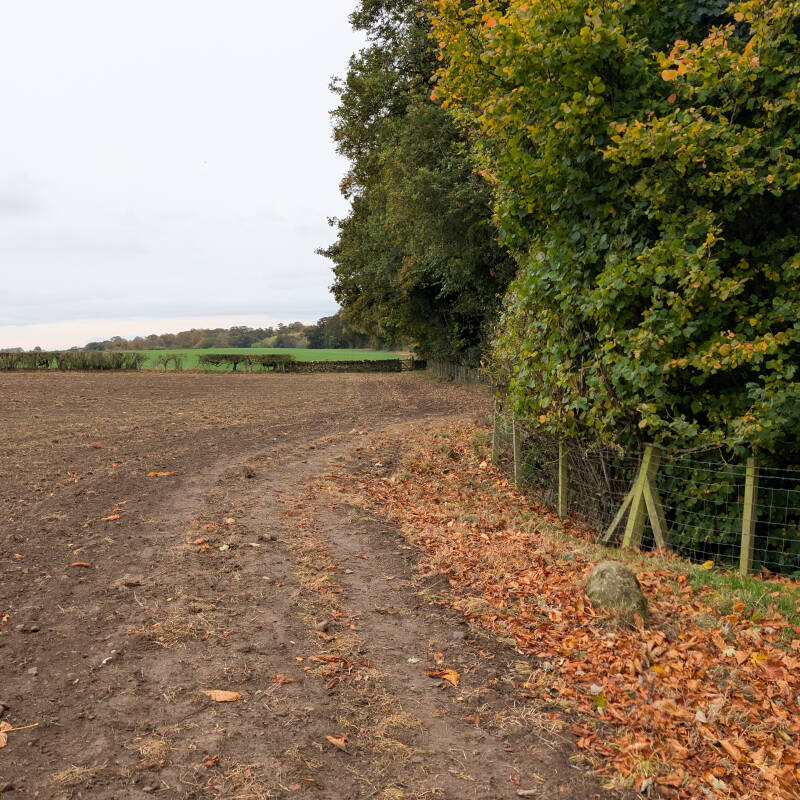
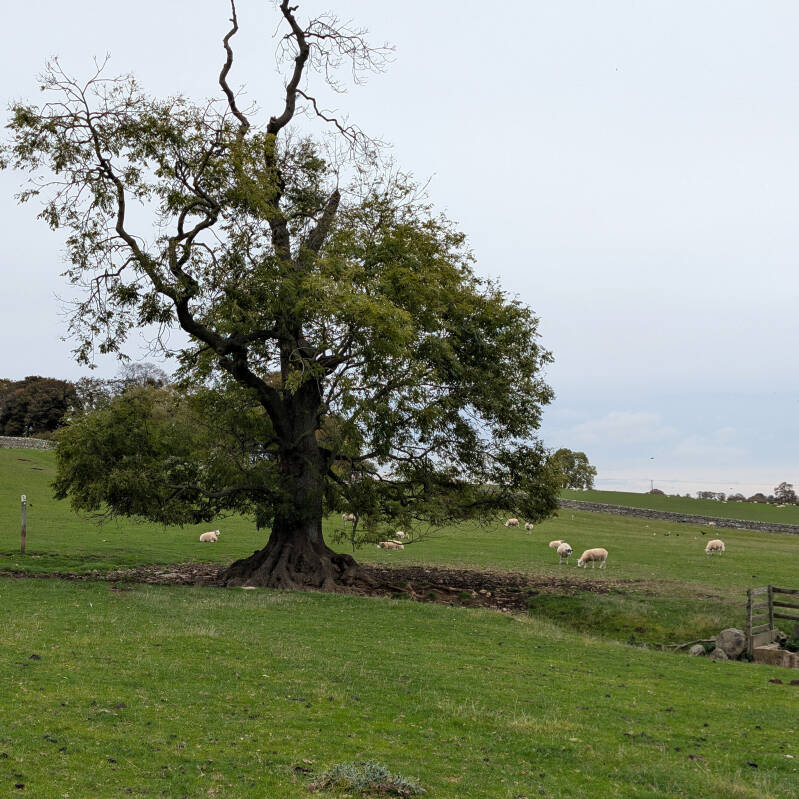
Turn right and continue along the lower edges of the fields, keeping the woodland on your right and the open countryside on your left. After crossing the second field, the route heads diagonally towards a large tree. From the tree, continue across the next field, keeping an eye out for glimpses of Rokeby Park through the trees to your right.
Follow the wall towards the gate and continue along the path. You'll eventually reach a sign for the Meeting of the Waters on your right. This is one of the places we'd definitely recommend stopping for a few minutes. Go through the gate on your right and follow the wooden steps down towards the viewpoint, where the River Greta joins the River Tees.
It's a beautiful place, particularly in autumn when the trees are changing colour, and the two rivers have attracted visitors, writers and artists for generations. Once you've enjoyed the view, return to the main path and carry on along the fields.
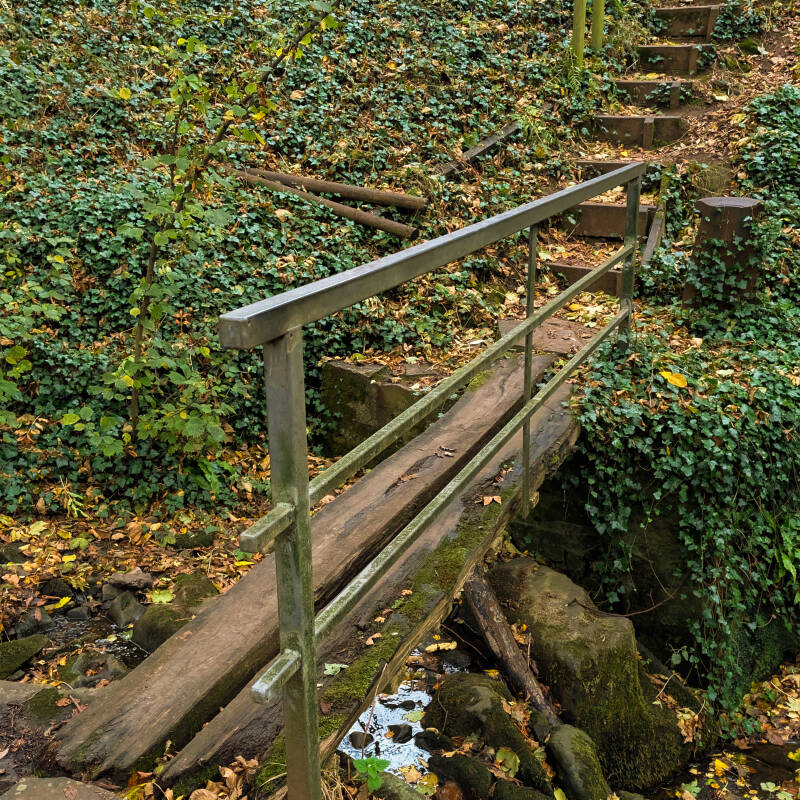
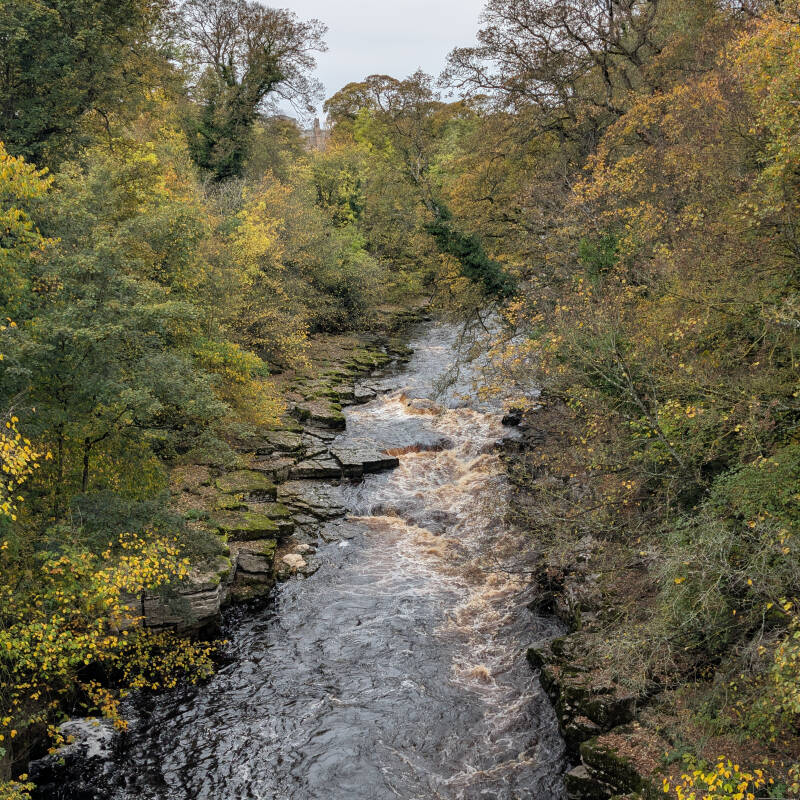
The path eventually drops into a small section of woodland below Sledwich Hall, where you'll come to a little wooden footbridge crossing the beck. There's a waterfall marked on the map here, and after rain the water tumbles over a series of rocky ledges, creating some lovely little falls. It's a beautiful spot to stop for a moment before crossing the bridge and climbing the wooden steps back into the open fields.
Continue following the path towards Whorlton, with the countryside opening out around you. As you get closer, you'll be rewarded with a lovely view of Whorlton Church before the route drops down a set of steps towards the old toll house and Whorlton Suspension Bridge.
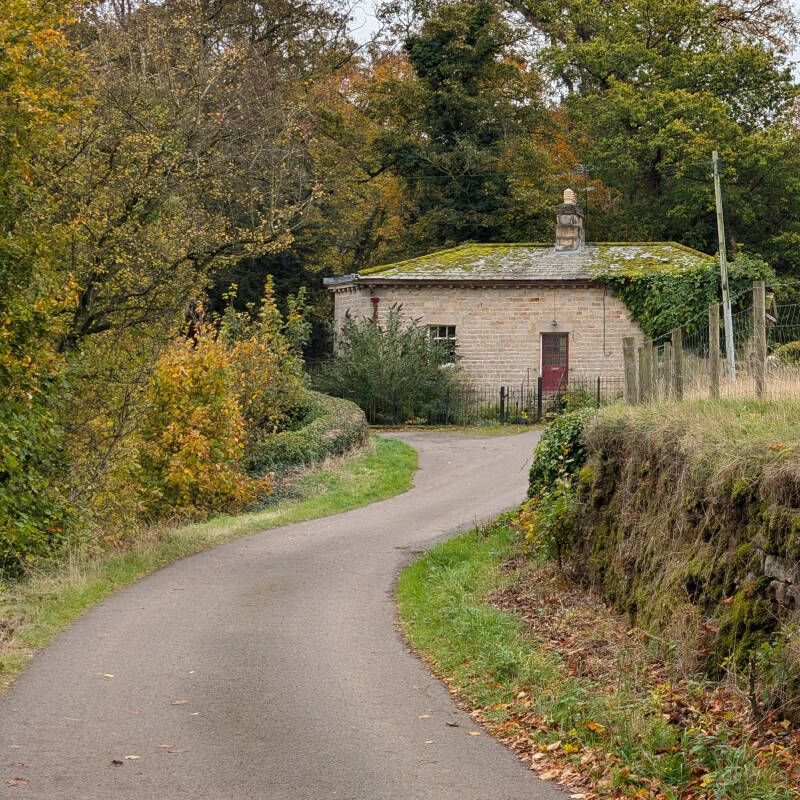
Before crossing, have a look at the old toll charges board beside the toll house. Years ago, walking across would have cost you one old penny, while taking a horse across cost 1½d. And if you happened to be bringing twenty sheep along, that would have been another 2d! Just imagine trying to get twenty sheep across the suspension bridge. Thankfully, these days you can keep your pennies in your pocket!
It's lovely to be able to cross this bridge again. Originally opened in 1831, Whorlton Bridge was closed for several years before finally reopening on 25 September 2026 following a major restoration. Take your time crossing and enjoy the views up and down the River Tees.
Whorlton Bridge to Mortham Tower
Once you've crossed Whorlton Bridge, follow the road a short distance uphill and look for the stile on your right. Cross into the field and follow the Teesdale Way across the open countryside.
Before long, you'll come across two old ruined stone buildings standing beside the fields. These are the remains of West Thorpe, an abandoned farmstead that we found particularly interesting. There's still quite a lot of stonework standing, with old window openings, doorways and walls slowly being taken over by vegetation.
Continue along the path, eventually passing the woodland on your right historically known as West Thorpe Wood. There are some beautiful old trees along this section, and before long you'll be approaching one of the most impressive buildings on the entire walk, Mortham Tower.
Mortham Tower really is a magnificent sight. This medieval fortified manor house has been standing here for centuries, with parts of the building dating back to the fourteenth century and its tower added later in the fifteenth. It's a private property, so enjoy the views from the public footpath as you pass.
Once past Mortham Tower, turn right and follow the track downhill. We've encountered livestock in the surrounding fields whenever we've walked through here, so take care, especially if you're walking with a dog.
Cross the stile at the bottom of the track, where you might also notice the CCTV cameras. Smile, you're on camera! Continue along the lane towards the Dairy Bridge.
Dairy Bridge, Rokeby and Paradise Wood
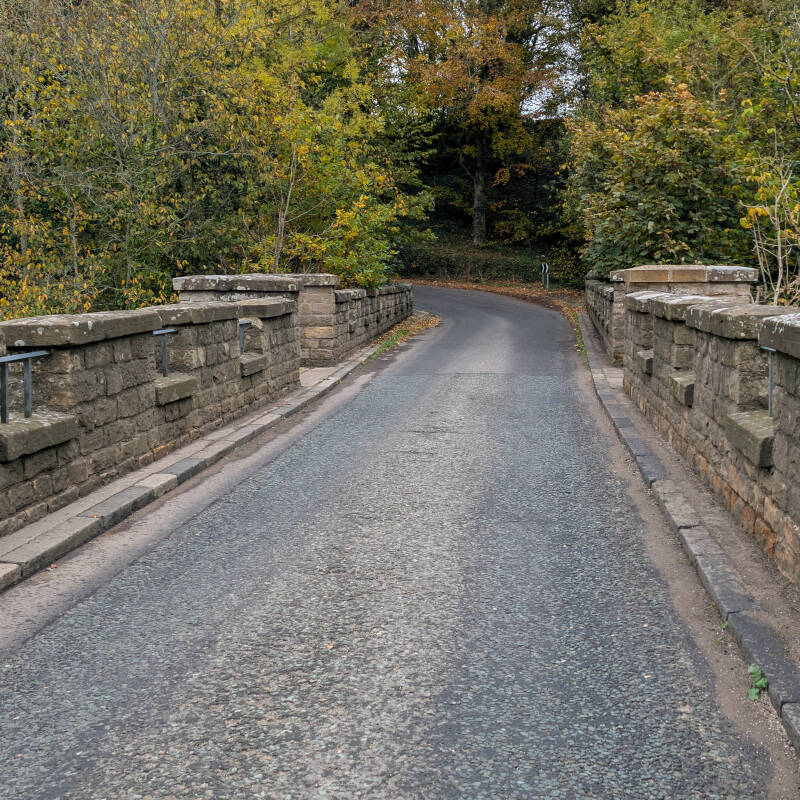
The Dairy Bridge is another of our favourite places on this walk. The old stone bridge crosses the River Greta just before it joins the River Tees, and the scenery here is wonderful. From the bridge, you can look upstream along the Greta towards the wooded grounds of Rokeby, while downstream the river makes its way towards the Meeting of the Waters.
Continue along the narrow country lane. As the road bends sharply left, have a look towards the land on your left. Historical maps mark the site of an old church here, something we found particularly interesting while researching the area.
The old church was St Michael's, and its history goes back at least as far as 1204. Even more interestingly, it once belonged to Egglestone Abbey, where this walk began. The church eventually fell out of use when St Mary's was built elsewhere in Rokeby during the eighteenth century. Today, only low remains and old gravestones mark the spot, but it's another fascinating little piece of history along the route.
Follow the lane past the cottages and continue along Mortham Lane. There's another little piece of history here too. This was once the site of a private gasworks that supplied Rokeby Hall, with the old Ordnance Survey maps showing the buildings and gasometer. It's one of those everyday details that gives you a glimpse of how a large country estate once operated.
As you carry on, you'll catch glimpses of Rokeby Hall through the trees. The house was built in the eighteenth century for Sir Thomas Robinson, whose story we've explored in our People of Teesdale collection. It's another lovely connection to the history of this part of the dale.
When you reach the junction, turn right into the woodland. Older maps give this lovely stretch the name Paradise Wood, and it's a peaceful place to spend the final part of the walk.
From here, keep following the riverside path through the woodland and across the fields, with occasional openings giving you views towards the River Tees. It's a pleasant, quiet stretch that makes a lovely finish to the circular.
Eventually the path splits into two. Take the lower path, which continues towards Abbey Bridge. Once you reach the bridge, follow the road back uphill towards Egglestone Abbey, retracing the short stretch to the car park where you started.
Egglestone Abbey to Whorlton Bridge Circular Walk Map
Below is the interactive map for our 6.5-mile circular walk from Egglestone Abbey to Whorlton Bridge, near Barnard Castle. You can zoom in and explore the full route along both sides of the River Tees, through open fields and woodland, passing West Thorpe, Mortham Tower and Dairy Bridge.
It's worth having a look before setting off, particularly at the field crossings and woodland paths where the route isn't always obvious.
A Little More to Discover Along the Way
One of the things we enjoy most about walking around Teesdale is looking into the history of the places we pass. This particular route has some wonderful stories behind it, and a few are too good not to share.
The Ruins of West Thorpe
West Thorpe was once a working farmstead, although today the buildings are in a rather sorry state. The roofs have disappeared, sections of the stone walls have collapsed and vegetation is gradually taking over what's left.
The history of West Thorpe goes back hundreds of years. A deed dated 4 May 1743 refers to the Manor of Thorp, otherwise West Thorpe, with John Summer and William Pattinson named in connection with the land. The farmstead also appears on Ordnance Survey maps from 1856.
We've even found an 1888 newspaper notice mentioning six-year-old Sarah, whose death was recorded at West Thorpe. It's a sad little reminder that these ruined buildings were once part of a place where families lived and worked.
There is still plenty of old stonework to see, and it's worth taking a moment to look at the remains as you pass.

Mortham Tower and the Mortham Dobby
Mortham Tower has a rather unusual ghost story attached to it, and the tale even involves the Dairy Bridge, which you'll cross on the the walk.
The ghost was known as the Mortham Dobby, and in December 1811, John Bacon Sawrey Morritt shared the old legend with his friend Walter Scott. The story tells of a mysterious woman, possibly murdered in the nearby woods, whose ghost haunted the tower. Some versions even describe her wandering about without a head!
According to the legend, a clergyman eventually trapped the ghost beneath Dairy Bridge by speaking Latin. But when the old bridge arch was destroyed during a flood in 1771, the Mortham Dobby was supposedly free to wander again.
You can read the full story of the Mortham Dobby in our Teesdale Tales collection.

A Landscape That Inspired Writers and Artists
The scenery around Rokeby and the Meeting of the Waters has been admired for centuries, and some rather famous visitors have spent time exploring these very places.
Sir Walter Scott visited his friend John Bacon Sawrey Morritt at Rokeby in 1809 and later chose the surrounding landscape as the setting for his narrative poem Rokeby, published in January 1813. The rivers, woodland and old buildings helped inspire a story set during the English Civil War.
The landscape also attracted the artist J. M. W. Turner, whose beautiful watercolour The Junction of the Greta and Tees at Rokeby dates from his work around 1816. The painting captures the meeting of the two rivers, with Rokeby Hall visible beyond.

We even found Victorian walking guides recommending excursions from Barnard Castle through Egglestone Abbey and Rokeby, with the option of returning by Whorlton Bridge. Although those old excursions weren't necessarily following the exact paths we've walked today, it's lovely to think that people were coming here to enjoy the same countryside more than 150 years ago.
Photos from Our Egglestone Abbey to Whorlton Bridge Circular Walk


Slow Down and Notice the Detail
This is one of those walks where there's so much to see without having to tackle any big hills or difficult climbs. From the peaceful woodland and open countryside to the old bridges, ruined buildings and beautiful rivers, there's something interesting around almost every corner.
But you don't have to be interested in history to enjoy it. Sometimes it's simply about getting outside, listening to the water, enjoying the fresh air and giving yourself a little time away from everyday life.
That's what Outdoor Exploring Family is all about. We believe spending time in nature can do wonders for your wellbeing, and you don't need to travel miles or climb mountains to feel the benefit.
So wherever your next adventure takes you, remember to slow down, notice the detail and enjoy the little things around you. Sometimes they're the things that make a walk special.
Explore More of Barnard Castle and Teesdale
Looking for somewhere else to explore? Our Walks in and Around Barnard Castle page has plenty more routes to enjoy, from shorter riverside walks to longer adventures through the surrounding countryside.
If you're visiting the area, have a look at our Barnard Castle Town Guide, where you'll find places to visit, local history and plenty of ideas for enjoying the town.
You can also explore more of the area through Discover Teesdale, or take everything with you using our free Discover Teesdale mobile app. With an interactive map, walks, local history and places to discover, it's a handy way to explore Teesdale at your own pace.